Sleepmaxxing in 2026: Which Buys Are Worth It, Beyond the Buzz
Mouth tape, magnesium, trackers and cooling gear: sleepmaxxing is booming. We sort what the evidence and health bodies support from the expensive theatre.
Published · Updated
HypeGale may earn a commission from links on this page or show paid ads. It never changes our verdicts. How we work
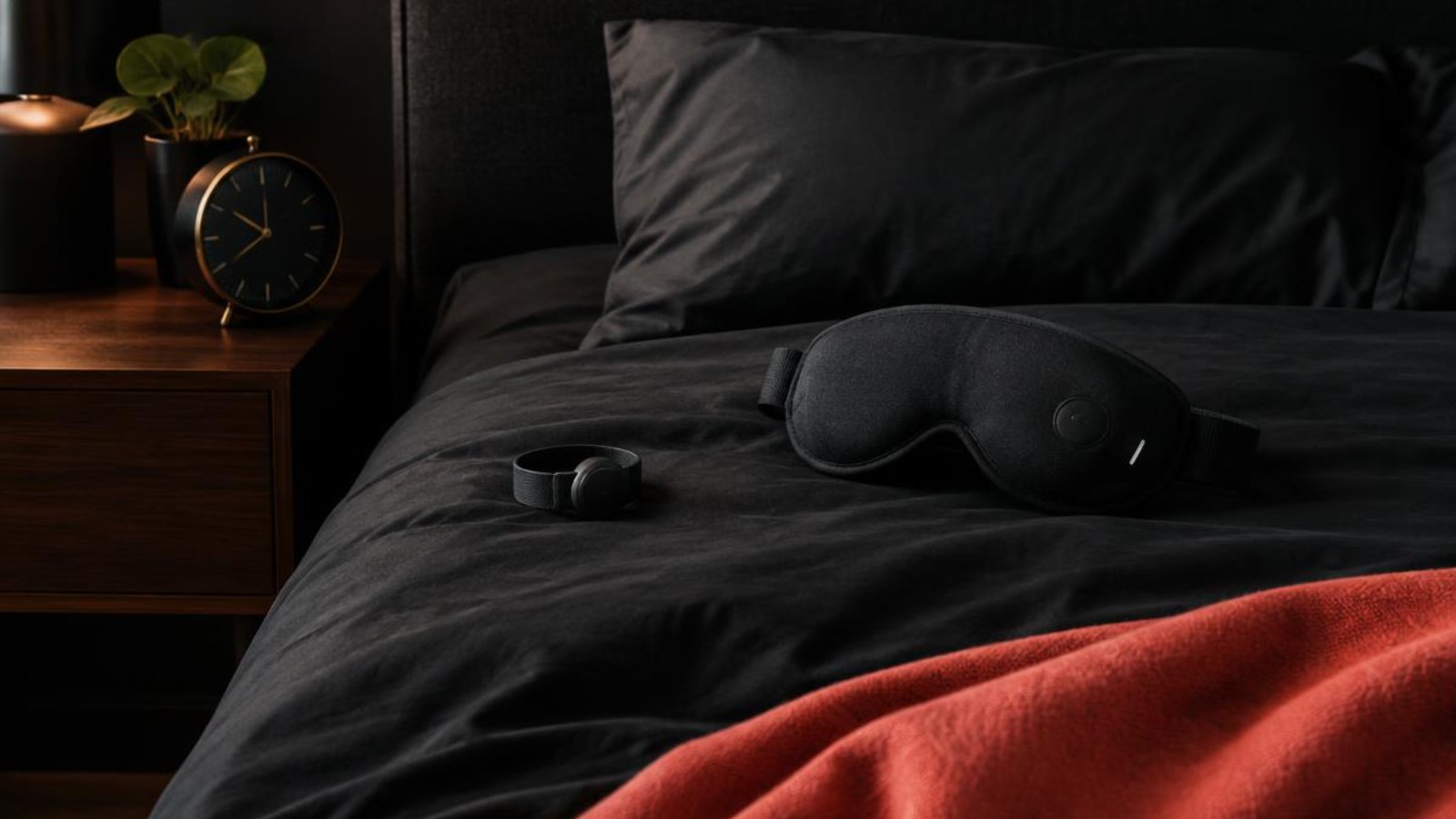
Somewhere along the way, sleeping, the most natural thing a human body does, became a performance sport. "Sleepmaxxing" is the 2026 trend of optimising every possible variable of your night: tape your mouth, cool your mattress, dim to amber, stack the supplements, track every metric, and wake up as the fully optimised version of yourself.
Here's the frustrating truth the trend buries: good sleep is mostly free and mostly boring, and the industry that has grown around it is selling the expensive extras while skipping the free basics. Let's sort the shelf. HypeGale doesn't test products or sleep aids; this is a review of published evidence and official advice.
What's Actually Real Here
No gadget beats the fundamentals, and the fundamentals cost nothing. The advice from official sources is refreshingly dull, and it overlaps almost completely:
- A consistent schedule, with the same wake time every day, weekends included (American Academy of Sleep Medicine, AASM).
- A quiet, cool bedroom, with earplugs, curtains or an eye mask if needed (AASM and the NHS).
- Screens off before bed. AASM says at least 30 minutes; the NHS suggests an hour.
- Caffeine and alcohol. Avoid caffeine in the afternoon and evening, and alcohol close to bedtime. The NHS also notes that large meals close to bedtime may make it harder to fall asleep.
- If you're still awake after about 20 minutes, get up and do something quiet and dimly lit until you feel sleepy (AASM).
- Daylight. Stanford sleep researcher Jamie Zeitzer says morning and daytime sun exposure can help sleep later that night, and even 30 minutes outside can help.
That list also explains why sleepmaxxing quietly overlaps with digital minimalism: the biggest saboteur for many people is scrolling in bed. If you haven't done these basics, no purchase will save you. Buying sleep gear before fixing your schedule is like buying racing tyres for a car with no engine.
A few cheap products serve those basics directly: blackout curtains or an eye mask for a dark room, earplugs or steady white noise if noise is your actual problem, and a cooler setup if heat is. You don't need the premium tech version of any of them.
Where the Hype Outruns the Reality
The hyped extras are the ones that need a study to justify them. Here is what the evidence looks like for three of them.
Mouth taping. A 2025 systematic review in PLOS ONE by Rhee and colleagues pulled together 10 studies covering 213 patients. Only 2 of the 6 studies that measured sleep apnoea severity showed a statistically significant improvement, and both involved mild obstructive sleep apnoea with modest reductions. The review rated all of the studies poor quality, and four warned of a serious risk of asphyxiation where the nose is blocked. The authors described the evidence as minimal outside mild sleep apnoea and not clinically significant. One limit worth stating: these studies were mostly in people with breathing problems, so they tell us little about whether taping does anything for ordinary sleepers. That gap in evidence isn't a green light.
Magnesium. A 2021 systematic review and meta-analysis in BMC Complementary Medicine and Therapies found just three randomised trials, with 151 older adults with insomnia in total. Magnesium shortened the time to fall asleep by roughly 17 minutes compared with placebo, but the change in total sleep time wasn't statistically significant. The authors rated the evidence as low to very low quality, with a moderate-to-high risk of bias. So: a small possible effect, in older adults with insomnia, in weak studies. Anyone considering supplements, especially if taking medication, should check with a pharmacist or doctor first.
Sleep trackers. A 2017 case series in the Journal of Clinical Sleep Medicine described "orthosomnia", where people become fixated on tracker data. AASM summarises the finding as an extreme fixation on data, especially potentially inaccurate data, which can get in the way of treating sleep problems. The Sleep Foundation adds that sleep specialists regard formal sleep studies as more accurate than consumer wearables, and that even newer trackers were only moderately successful at identifying sleep stages. Trackers can still help some people spot patterns, but they're a guide, not a report card.
The mindset that ruins sleep. The irony at the heart of sleepmaxxing is that treating sleep as a competitive project can backfire. Anxiety about optimising your night and chasing a perfect score is stress, and stress is no friend of sleep. That is our reading of the orthosomnia reports rather than a measured effect, but it's a reason to aim to care a little less.
Elaborate multi-step routines. A calm wind-down is fine. A nine-product ritual mostly helps the person filming it.
A Buy-Last Checklist
- Hold the schedule steady for a few weeks before judging anything else.
- Name your actual problem. Light, noise or heat each have a cheap, direct fix.
- Try the cheapest solution first. An eye mask costs a fraction of a smart mattress.
- If you use a tracker, set an exit rule. If checking the score makes you anxious, stop looking.
- Treat anything that claims to fix breathing or snoring as medical. Skip the DIY version and ask a professional.
General information, not medical advice. Persistent sleep problems, or any concern about breathing during sleep, are worth raising with a healthcare professional rather than a trend.
See where this sits among 2026's lifestyle trends. For how to think about supplement hype in general, see our creatine hype check.
FAQ
Does mouth taping actually improve sleep?
For most people there is little evidence it does. A 2025 systematic review rated every included study poor quality, and several warned of an asphyxiation risk where the nose is blocked. Talk to a professional before trying it, particularly if you snore or have breathing problems.
What's the most effective way to sleep better?
The free fundamentals: a consistent sleep-wake schedule, a cool, dark, quiet room, good light management, and cutting late caffeine and in-bed scrolling. Health bodies recommend these ahead of any gadget.
Are sleep trackers worth it?
They can help you spot patterns, but they're less accurate than a formal sleep study, and fixating on a nightly "score" can get in the way of sleeping well. Use one as a gentle guide, not a grade.
Does magnesium help you sleep?
A small review of three trials in older adults with insomnia found it shortened the time to fall asleep by about 17 minutes, but the evidence was low to very low quality. Treat it as a possible minor aid, not a fix, and check with a professional before adding supplements.
Hype-o-meter: Overhyped
Sleep itself is one of the highest-value things you can improve, and nearly all of that value is free: schedule, dark, cool, quiet, less late screen time. The 2026 sleepmaxxing wrapper of premium gadgets, supplements and viral fixes like mouth taping is overhyped, with weak or thin evidence behind it. Fix the free basics first and buy the rest only if a real problem remains.
Sources
- Breaking social media fads and uncovering the safety and efficacy of mouth taping: a systematic review — Rhee et al., PLOS ONE, 2025
- Oral magnesium supplementation for insomnia in older adults: a systematic review and meta-analysis — BMC Complementary Medicine and Therapies, 2021
- Case series suggests sleep trackers can prompt sleep problems — American Academy of Sleep Medicine, on the 2017 orthosomnia paper in the Journal of Clinical Sleep Medicine
- Orthosomnia — Sleep Foundation, on tracker fixation and tracker limits
- Healthy sleep habits — Sleep Education, American Academy of Sleep Medicine
- How to fall asleep faster and sleep better — NHS Every Mind Matters
- More sunlight exposure may improve sleep — Stanford Lifestyle Medicine
Keep reading
Related articles
Pickleball in 2026: Still Booming or Has It Peaked?
Pickleball has been called a fad for years while participation kept climbing. The data show a real, maturing sport: 24.3 million US players, but growth has slowed sharply.
6 min read
Is There Really a Best Day to Book Cheap Flights? The Myths, Checked
'Book on a Tuesday' has been repeated as travel wisdom for years. We look at what actually determines flight prices, and what doesn't.
6 min read
Ski Season 2026/27: Polish Slopes vs the Alps, Is the Cheaper Trip Worth It?
Polish ski passes cost roughly half a big Alpine day ticket. We check what the savings buy, and what you give up in terrain and snow security.
6 min read
The Retro Runner Trend: Which 2026 Sneaker Styles Are Worth Buying and Which Are Fading
Chunky, 90s-style running shoes have dominated sneaker culture for several years. We look at which retro trends still have legs and which have peaked.
6 min read