Are Designer Bags Still a Good Investment in 2026?
Resale data shows a handful of icon bags holding or gaining value, while most designer bags do not. Here is what the evidence supports and what it leaves out.
Published
HypeGale may earn a commission from links on this page or show paid ads. It never changes our verdicts. How we work
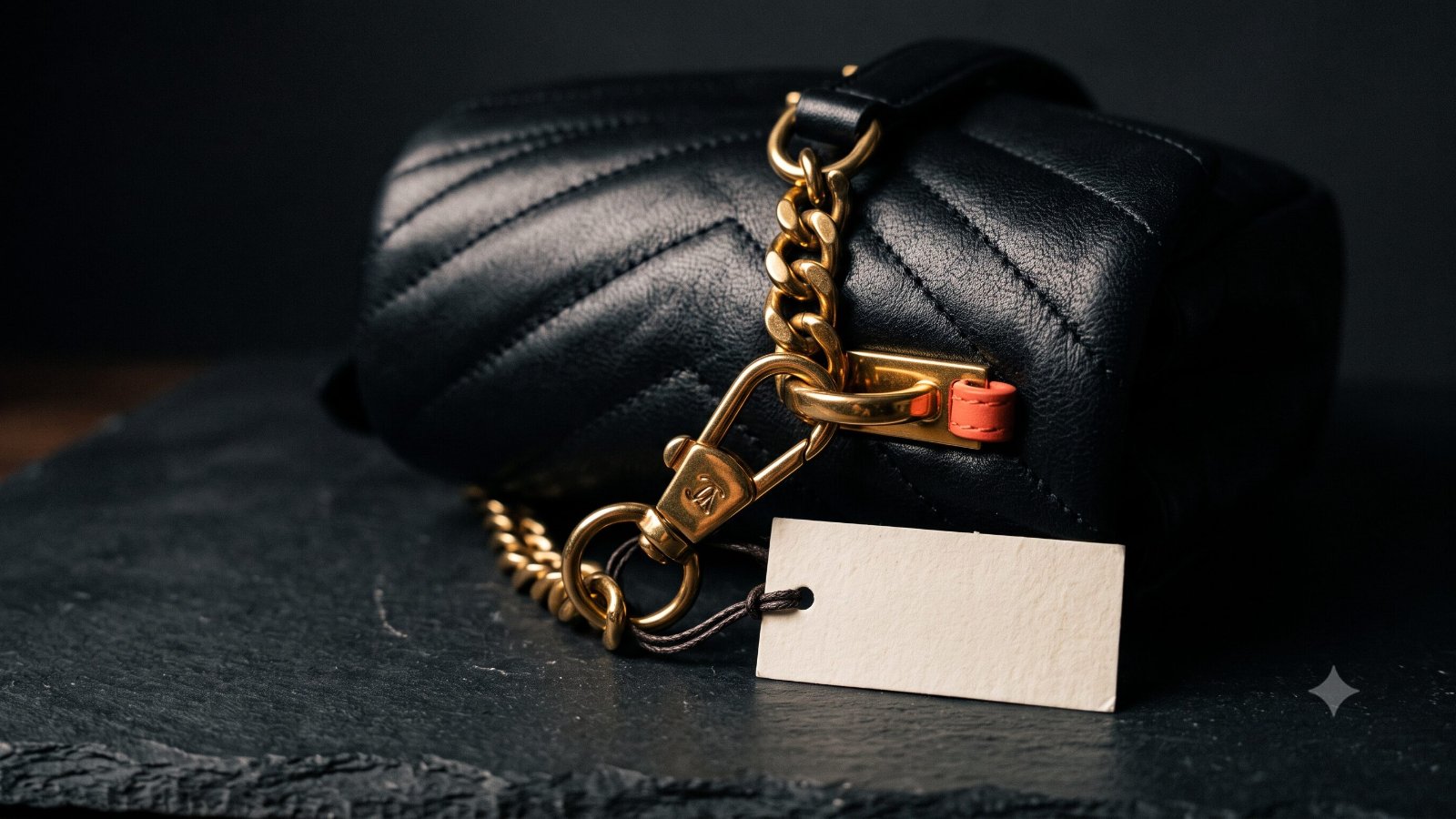
Short answer: A small group of icon bags, led by Hermès, has held or gained value on the resale market in recent years. Most designer bags do not behave that way. Buy a bag because you will enjoy using it, and treat any resale value as a bonus on a few specific models, not as a financial plan.
"Buy the bag, it's an investment" is one of the most repeated lines in shopping advice. Like most advice repeated that often, it is true for a narrower slice of products than the phrase suggests, and much of the data behind it comes from companies that earn money when bags change hands.
What's Actually Real Here
A few brands and styles do have a real record of holding value.
- Rebag's 2025 Clair Report (published December 10, 2025) put Hermès at an average of 138% "retention," meaning resale values above original retail, with Goyard at 132% and The Row at 97%. Rebag also reported that Birkin resale values rose 92% between 2015 and 2025, against a 43% rise in Hermès's own retail prices over the same decade. Standout styles included the Kelly Mini II (282%), the Birkin Sellier (183%) and the Constance (137%).
- Rebag's 2024 report described four "unicorn" brands that kept more than 85% of their value: Goyard (104%), Hermès (100%), Chanel (92%) and Louis Vuitton (88%).
- Longer-run research reported by NBC New York's money desk cites Baghunter data showing the Hermès Birkin averaging about 14.2% a year between 1980 and 2015, against roughly 10% for the S&P 500, and a 2022 Credit Suisse study that ranked handbags as the least volatile collectible.
So the claim is not invented. For a small number of very scarce, long-running styles, resale prices have been strong, sometimes stronger than the original price.
Where the Hype Outruns the Reality
The strongest numbers come from the strongest bags. Rebag is a resale platform, and its figures describe the bags that are actually bought and sold through it. They do not tell you what happens to the average bag in a closet. Even Rebag's own 2024 data showed Celine at 64%, well below its "unicorn" tier, and that is a house many shoppers would call prestigious.
Most brands sit well below 100%, even in perfect condition. A resale dealer's 2026 guide (Sutton & Robertsons) gives typical ranges for bags in excellent condition: Louis Vuitton 60% to 85% of retail, Prada 60% to 70%, Dior 55% to 75%, and Fendi, Bottega Veneta and Saint Laurent 50% to 70%. The guide stresses that its figures assume excellent condition and that actual valuations vary. A bag with visible wear, missing documentation or a dated shape will sit lower. These are a dealer's estimates, not a formal index, so treat them as a rough guide.
Retail price rises help resale only for scarce bags. Rebag links part of the recent secondary-market strength to tariff-driven price increases on new bags. That helps owners of bags that are hard to get new. It does not lift a bag that is easy to buy at full price, where a higher sticker price can simply widen the gap between new and used.
Transaction costs are missing from most headlines. Retention percentages show a market price, not what lands in your pocket after platform commissions, dealer margins, shipping or authentication fees. The size of those costs varies by seller, so check them before you count on a figure.
Experts are cautious about the word "investment." In the NBC New York report, Carolyn McClanahan said she would not call it an investment and warned that the framing does women a disservice. Her advice was to treat a notable bag as a smart purchase kept for the long term, not a reliable financial vehicle.
Past performance is not a forecast. Resale demand follows current taste. Styles that are hot now can cool, and the data above looks backward over a period when luxury prices were rising quickly.
How to Think About a Bag Purchase
If resale value matters to you, the evidence points to a short checklist:
- Choose a long-running, scarce icon, not a seasonal or trend piece.
- Pick classic colors and materials over bold seasonal ones.
- Keep it in excellent condition, with the box, dust bag, receipt and authenticity papers.
- Compare the real resale prices of your exact model on several platforms before you buy, using sold prices rather than asking prices.
- Decide what you can afford to lose. If a resale loss would hurt, the bag is a purchase, not an investment.
If you are buying mainly to use and enjoy it, that is a perfectly good reason. Just do not let "it's an investment" talk you into spending more than you are comfortable with.
FAQ
Do designer bags actually appreciate in value? A small number do. Rebag's 2025 data shows Hermès and Goyard averaging above 100% of retail, and Birkin resale values have outpaced retail increases over a decade. Most other brands resell for less than retail, even in excellent condition.
Which designer bags hold value best? According to Rebag's reports, Hermès, Goyard, Chanel and Louis Vuitton lead on retention, mostly in long-running styles. Condition and documentation matter a great deal.
Is it smart to buy a designer bag as an investment? For most bags and most buyers, no. The figures that look best come from a few scarce models and from companies that profit from resale. Buy for enjoyment and treat resale value as a possible bonus.
Are the resale figures in this article independent? Not entirely. Rebag and the dealer guide both have commercial interests in resale. The NBC New York report and the expert comment offer a more cautious outside view.
Hype-o-meter: Overhyped
The "designer bags are an investment" pitch describes a real but narrow phenomenon, mainly a few Hermès, Goyard and Chanel styles, and stretches it across a whole category where the data shows far lower resale values. Buy what you love and can afford, and do not count on resale math to bail out an overspend.
Sources
- Rebag: Sixth annual Clair Report (PR Newswire, December 2025)
- Fashion Dive: Goyard, Hermès are the top brands that retain value at resale (2024 Clair Report)
- NBC New York: Are designer handbags an actual investment? Here's how returns stack up
- Sutton & Robertsons: Which designer handbag brands hold their resale value
Keep reading
Related articles

Link-in-Bio vs Your Own Website: What Creators Actually Need in 2026
A link-in-bio page takes two minutes. A website takes longer. Which does a creator actually need? The honest answer is usually a third option.
6 min read
Black Friday in Spain 2026: Real Discounts or Hype?
Spanish consumer group OCU found only 9% of prices on Black Friday 2025 were genuine bargains, and 37% of products cost more than their autumn minimum. Here is how to tell real deals from theatre.
6 min read

Will Livestream Shopping Ever Take Off in Europe Like It Has in Asia?
Livestream shopping is huge in China and gaining ground in the US. Europe is slower, but a 2026 estimate of TikTok Shop sales suggests that may be changing.
6 min read
Luxury Prices Keep Rising: Where Shoppers Are Buying Designer for Less in 2026
Designer brands have raised prices sharply since 2019. We look at where price-conscious luxury shoppers find real savings in 2026, and the catches.
5 min read