Black Friday in Spain 2026: Real Discounts or Hype?
Spanish consumer group OCU found only 9% of prices on Black Friday 2025 were genuine bargains, and 37% of products cost more than their autumn minimum. Here is how to tell real deals from theatre.
Published
HypeGale may earn a commission from links on this page or show paid ads. It never changes our verdicts. How we work
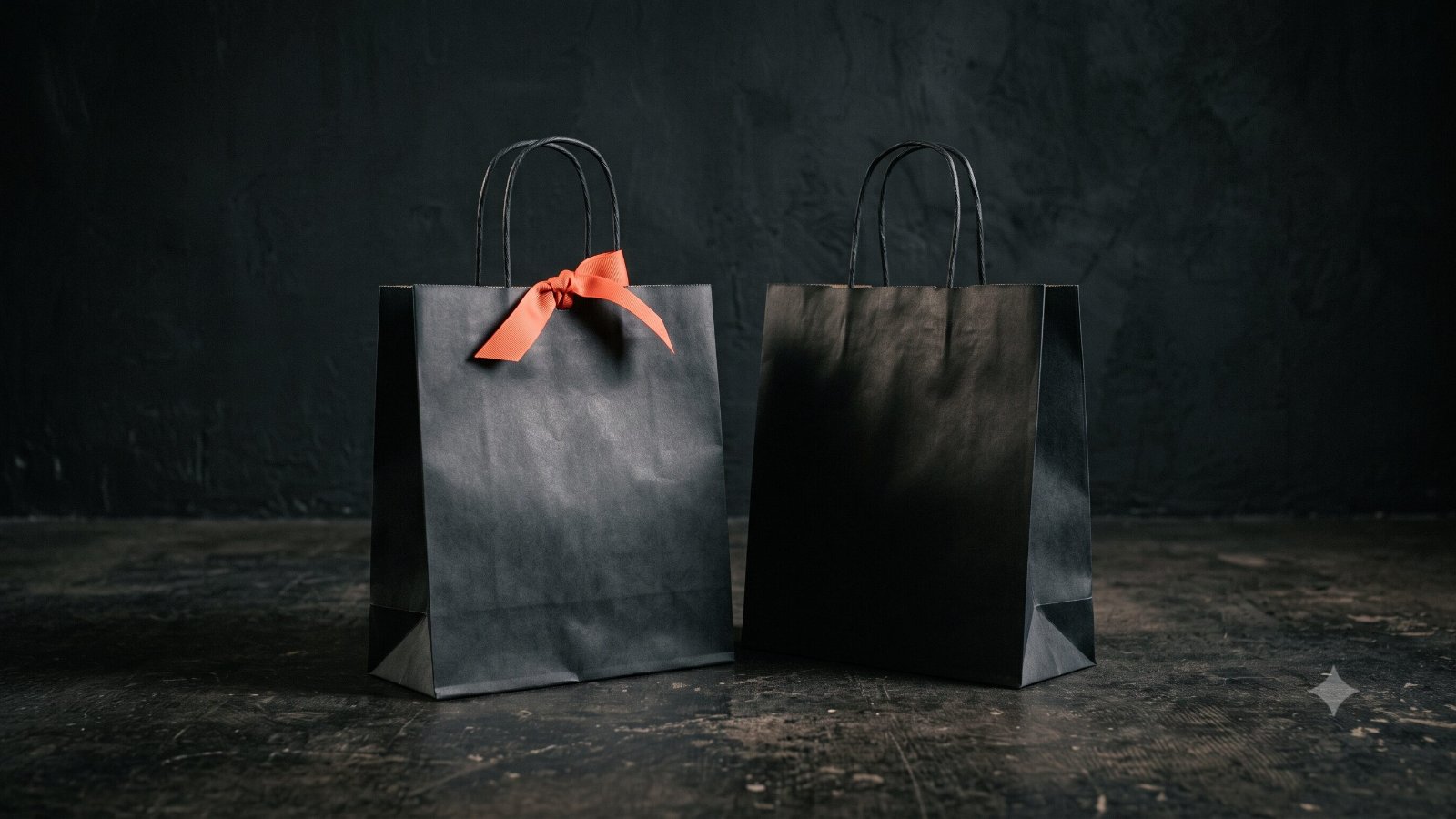
Short answer: Black Friday in Spain is a real event with real discounts, but the headline promise outruns the evidence. When the consumer organisation OCU tracked prices through Black Friday 2025, only a small minority of the prices it found were genuine bargains, and more products cost more than their autumn low than cost less. The day is worth using as a deadline for a purchase you already planned, not as a reason to buy.
Black Friday arrived in Spain as an import from the US retail calendar and now sits alongside the traditional winter and summer sale seasons rather than replacing them. In 2026 it falls on Friday 27 November, with Cyber Monday on 30 November. Retailers stretch the campaign into a "Black Week" or even the whole month, which makes it harder to judge when a price is actually the lowest.
What's Actually Real Here
There is a legal rule against fake "before" prices. Under Spain's Retail Trade Act (Ley 7/1996, article 20, as amended by Royal Decree-Law 24/2021), a seller advertising a price reduction must show the lowest price applied to the identical product during the previous thirty days. According to law firm Bird & Bird, the rule took effect on 28 May 2022 and reflects the EU Omnibus Directive. Spain's consumer ministry repeats the same standard in its Black Friday guidance: the previous price must be "the lowest price that has been applied in the preceding thirty days."
Regulators have gone after the practice. In May 2024 the Ministry of Consumer Affairs said it had opened sanctioning proceedings against two major e-commerce operators. Its allegation was that they raised prices before Black Friday and then cut them back to the original level. The ministry said it had monitored 1,140 products from October 2023. It did not name the companies in that announcement, and we have not seen the outcome of those proceedings, so treat them as evidence of enforcement focus, not as a finding of guilt.
Some discounts do exist. OCU's 2025 price tracking covered 2,475 products in 35 categories on 61 websites. On Black Friday itself, 35% of the monitored products were cheaper than their September to October minimum, with an average reduction of 8%. Amazon and MediaMarkt had the highest share of genuinely discounted products among the retailers OCU highlighted, at 28% and 26%, with an average saving of around 10%. By category, robot vacuums (34% of products discounted), power banks (26%), laptops (25%), televisions (22%) and air fryers (17%) stood out.
Consumer protections do not shrink for sale items. According to the ministry guidance, the 14-day withdrawal right for distance purchases and the three-year legal guarantee on new goods apply to sale items as they do at any other time. Check the retailer's own terms for anything extra, such as extended Christmas returns.
Where the Hype Outruns the Reality
OCU's headline finding for 2025 is blunt: only 9% of the prices it found counted as "authentic bargains". Over the same comparison, 37% of products cost more on Black Friday than their September to October minimum (by an average of 12%), and 28% were unchanged. These figures come from one organisation's sample of 2,475 products, not the whole market, and OCU's own definition of a genuine bargain is a strict one. Still, they point the same way as the regulator's warnings.
The build-up matters too. OCU reported that on Singles' Day (11 November) only 18% of products carried a real discount, and during Black Week (24 November) the share was 32%. Waiting for a single named day is not a guarantee of the best price, and discounts can appear earlier or later depending on the product.
Shoppers are not naive about this. In an OCU survey of 2,004 Spanish consumers published in November 2025, 69% believed retailers raise prices before Black Friday, yet 65% still considered it worthwhile for the discounts. The same survey found 42% showing compulsive buying tendencies and 20% buying things they did not need, which suggests the bigger cost for many people is the impulse purchase, not the fake discount.
Other tactics the ministry says it monitors include hidden costs revealed late in checkout (drip pricing), unrealistic countdown timers and false scarcity messages, and personalised pricing based on personal data.
How to Shop It Without Getting Burned
- Start tracking in September or October. Note the price of anything you want, using a price-history tool or your own spreadsheet. OCU used the autumn minimum as its yardstick, and so can you.
- Check the "lowest price in the last 30 days" label. Retailers must show it when advertising a reduction. If the label is missing or the "was" price is far above what you have seen, treat the claim with suspicion.
- Compare across retailers, including the manufacturer's own store. A matching price is not a bargain if another seller listed it for less last month.
- Know your category. Electronics and small appliances showed the most frequent real discounts in OCU's data. Fashion is the most popular category with shoppers, but OCU's results above are about monitored products, mainly electronics and appliances, so do not assume the same rates for clothing.
- Set a budget and a list before the day. The average planned spend in OCU's survey was EUR 219, and impulse buying is the most common way to lose money on the day.
- Use secure payment and keep receipts, as the ministry recommends, in case you need to use the guarantee.
Alternatives to waiting: if you do not need the item immediately, the winter and summer sale seasons or an ordinary mid-year price drop may match or beat November on some items. We have not verified category-by-category comparisons, so check price history rather than assuming.
FAQ
Is Black Friday in Spain worth shopping? Selectively. Real discounts exist, mainly in electronics and appliances, but OCU's 2025 data suggest most advertised prices are not genuine bargains. Use it for planned purchases and verify the price first.
When is Black Friday 2026 in Spain? Friday 27 November 2026, followed by Cyber Monday on 30 November. Many retailers begin promotions earlier in the month.
What does the 30-day rule mean? When a seller advertises a price reduction, it must show the lowest price it applied to that identical product in the previous thirty days. This is meant to stop prices being raised just before the sale.
Can I return Black Friday purchases? For online and other distance purchases from sellers in the European Economic Area, the ministry highlights a 14-day withdrawal period, and the legal guarantee on new goods is three years. Individual retailers may offer longer terms.
Are the OCU figures for 2026? No. They are from the 2025 campaign. The 2026 results are not available yet, so this article will need updating after the event.
Hype-o-meter: Overhyped
Black Friday in Spain does produce some real bargains, but OCU's 2025 tracking found genuine ones were a small minority and that more products cost more than their autumn low than cost less. It is worth using only for something you were going to buy anyway, after you have checked the price history.
Sources
- Spanish Ministry of Consumer Affairs (ECC-Spain): Recommendations for responsible consumption during Black Friday
- Spanish Ministry of Consumer Affairs: Government of Spain opens sanctioning proceedings against major e-commerce operators (May 2024)
- OCU: Black Friday 2025, evolución de precios
- OCU: Black Friday 2025 consumer survey press release
- Bird & Bird: Omnibus Directive implementation in Spain
Keep reading
Related articles

Are Designer Bags Still a Good Investment in 2026?
Resale data shows a handful of icon bags holding or gaining value, while most designer bags do not. Here is what the evidence supports and what it leaves out.
5 min read

Link-in-Bio vs Your Own Website: What Creators Actually Need in 2026
A link-in-bio page takes two minutes. A website takes longer. Which does a creator actually need? The honest answer is usually a third option.
6 min read
Will Livestream Shopping Ever Take Off in Europe Like It Has in Asia?
Livestream shopping is huge in China and gaining ground in the US. Europe is slower, but a 2026 estimate of TikTok Shop sales suggests that may be changing.
6 min read

Luxury Prices Keep Rising: Where Shoppers Are Buying Designer for Less in 2026
Designer brands have raised prices sharply since 2019. We look at where price-conscious luxury shoppers find real savings in 2026, and the catches.
5 min read