Ski Season 2026/27: Polish Slopes vs the Alps, Is the Cheaper Trip Worth It?
Polish ski passes cost roughly half a big Alpine day ticket. We check what the savings buy, and what you give up in terrain and snow security.
Published · Updated
HypeGale may earn a commission from links on this page or show paid ads. It never changes our verdicts. How we work
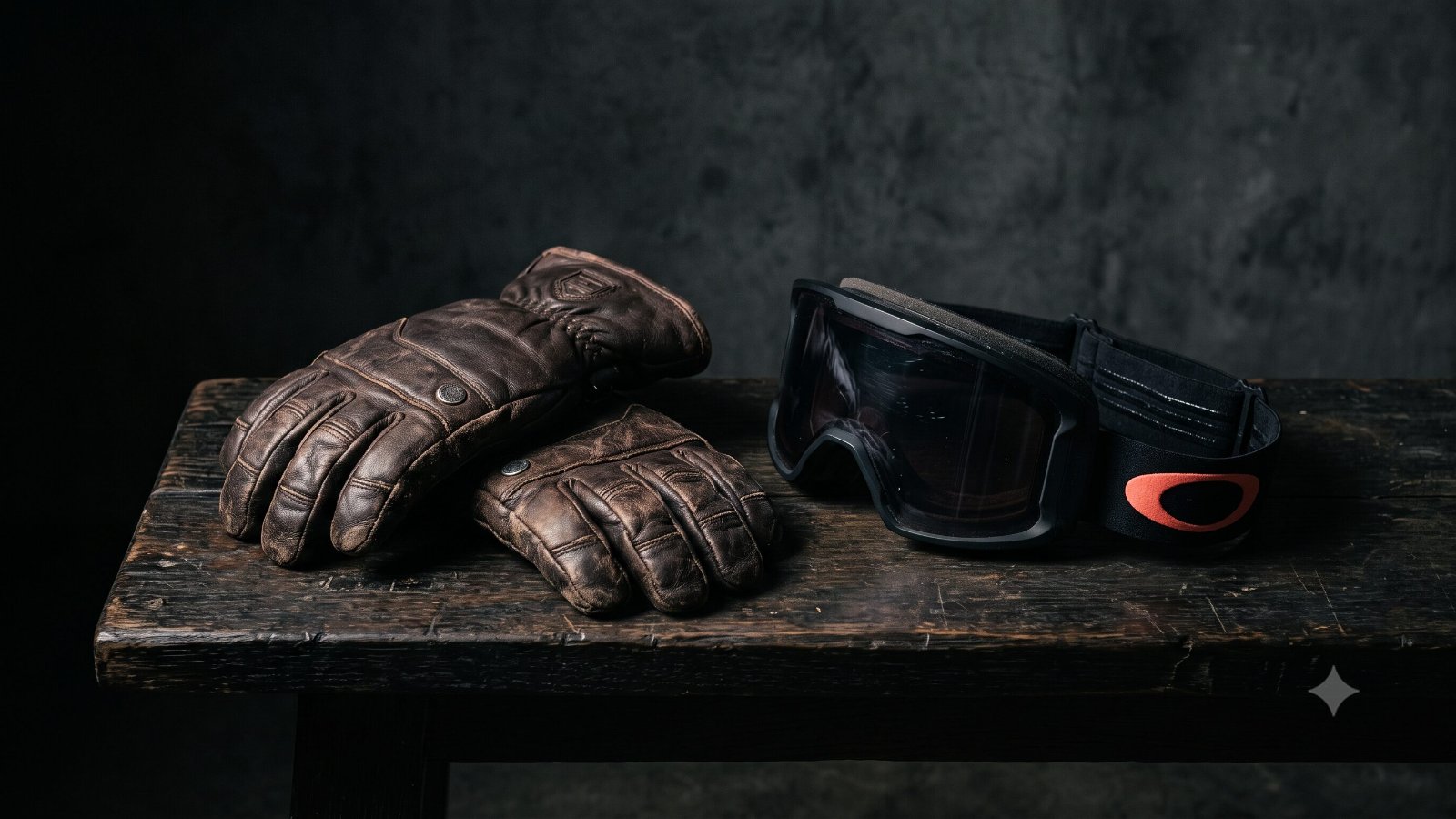
Short answer: For beginners, intermediates and families, a Polish ski trip is a genuinely cheaper way to ski, and the lift-pass gap is easy to document: a day pass in the Tatras costs roughly half what a big Alpine resort charges. Where the Alps still win is terrain size, vertical drop and, above all, snow security. Poland's ski season depends heavily on cold snaps and snowmaking, so the savings come with more weather risk.
Every winter, skiers in Poland and across Central Europe face the same choice: a short, affordable trip to the Tatras, or the bigger, pricier pilgrimage to the Alps. This piece sticks to what can be sourced. Prices for the 2026/27 season were not all published when we checked, so use the figures below as a guide and confirm the current price list before you book.
What's Actually Real Here
The lift-pass gap is real. Poland's flagship Tatra ski pass is on offer for roughly 169 to 199 zloty for an adult day, depending on how and when you buy, according to the operator's price list (PKL, Kasprowy Wierch; the page doesn't state the season). In Białka Tatrzańska, a listing on OnTheSnow shows about 170 zloty for a weekday adult pass. At the National Bank of Poland's mid rate of 4.39 zloty to the euro on 5 October 2026, that is roughly 39 to 45 euros.
For comparison, the German motoring club ADAC surveyed 30 European ski areas for the 2025/26 Christmas period. It found Austria averaging around 76 euros a day, St. Anton am Arlberg at 81.50 euros, Sölden at 80.50 euros, France at 66 to 70 euros and Zermatt in Switzerland above 106 euros. Poland's entry in that survey, Szrenica in the Sudetes (not the Tatras), was about 44 euros. The cheapest ticket overall was Feldberg in Germany at 42 euros, so Poland is cheap, but it is not the only cheap option.
Poland is not only for beginners. Kasprowy Wierch above Zakopane has no beginner slopes at all. One local guide describes it as the best place in Poland for advanced skiers, with two runs of about 9 km and 3.5 km and vertical drops it lists at 352 m and 602 m. Most other Polish resorts, including those at Białka Tatrzańska, are built around groomed intermediate runs.
Bigger Alpine areas are in a different league on scale. Ski Arlberg alone has about 305 km of groomed slopes and 87 lifts, according to Wikipedia's summary of the area, plus extensive off-piste terrain. Nothing in the Polish Tatras comes close to that single-ticket scale.
Where the Hype Outruns the Reality
"A fraction of the cost" only holds for lift passes. We did not find a sourced comparison of accommodation, food and ski-hire costs between Zakopane and Alpine resorts, so we cannot say those are cheaper by any particular margin. Lodging prices in Zakopane at peak weeks, like school holidays, can be high. Check your own dates.
Snow security is the real trade-off. Kasprowy Wierch has no snowmaking, according to a local resort guide, so its season depends on natural snow. A Polish study of snow conditions there from 1986 to 2014 found potential ski seasons lasting from 102 to 206 days with an average of 154, a slight decline over time and an increasing tendency for winters to be broken into several short seasons rather than one continuous one (Szczerbińska and Pociask, 2015). That is a university study of one mountain, not a forecast for every Polish resort, but it supports the idea that Tatra snow can be patchy.
The Alps are not immune. A 2019 study in The Cryosphere on 175 ski resorts in France, Spain and Andorra found that snow-reliable terrain will move uphill: the elevation needed for reliable snow, using snowmaking, is projected to rise by 200 to 300 m in the Alps by 2030 to 2050. The study covers the French Alps and the Pyrenees, not Austria or Switzerland, but it makes the same general point: altitude and snowmaking decide who skis reliably. In practice, altitude matters more than country.
We could not verify crowd levels. Claims that Poland is quieter than the big Alpine names are common, but we found no sourced comparison, so we have left it out. Ski mid-week where you can, in either country.
How to Decide
- Choose Poland if you are a beginner or intermediate, travelling with children, or want several short trips instead of one big holiday. Compare the whole cost, including your travel to the resort.
- Choose the Alps if you are an advanced skier who wants big vertical and off-piste terrain, or if you are booking a single fixed week months ahead and need the best chance of snow. Higher resorts are the safer bet.
- Either way, book flexible accommodation where you can, buy lift passes online in advance where the operator discounts early purchase (PKL lists a lower online price for purchases made seven or more days ahead), and check live snow reports a few days before you travel.
- Pack for the cold, not the country. A base layer, an insulated mid-layer and a windproof, waterproof shell cover a Tatras day and an Alpine week equally well. Gloves, a neck gaiter and good socks matter as much as the jacket.
FAQ
Is skiing in Poland actually good, or just cheap? It depends on your level. Beginners and intermediates will find groomed runs at a much lower lift-pass price. Advanced skiers have Kasprowy Wierch, but the terrain is limited compared with a major Alpine area, and conditions rely on natural snow.
How much cheaper is a Polish lift pass than an Alpine one? Using the price lists above, a Tatra day pass costs roughly 39 to 45 euros, against about 76 euros on average for Austria and more than 100 euros in Zermatt, based on ADAC's 2025/26 survey. We have not compared hotels or food.
Is Polish snow reliable? Less so than at high Alpine resorts. Kasprowy Wierch has no snowmaking and its season varies widely. Resorts with snowmaking are more dependable, but you should still check conditions before you go.
What winter gear matters most for either destination? Proper layering: a base layer, an insulated mid-layer, a windproof and waterproof shell, plus warm gloves and socks.
Hype-o-meter: Earns It
For beginners, intermediates and families, Poland's slopes deliver real savings on lift passes, which is the one part of the cost gap we could verify. The catch is snow security and limited terrain, so advanced skiers and anyone who needs guaranteed snow on fixed dates should lean toward higher Alpine resorts.
Sources
- PKL: Kasprowy Wierch skipass price list
- OnTheSnow: Ski pass prices in Białka Tatrzańska
- ADAC: So teuer ist der Skipass, 30 Orte im Vergleich
- ADAC compares ticket prices in 30 winter sports areas (Snow Industry News)
- National Bank of Poland: exchange rates, table A
- Discover Zakopane: Kasprowy Wierch ski resort
- Szczerbińska and Pociask (2015): Ski season at Kasprowy Wierch, 1986-2014
- Spandre et al. (2019): Winter tourism under climate change in the Pyrenees and French Alps, The Cryosphere
- Wikipedia: Arlberg
Keep reading
Related articles
Pickleball in 2026: Still Booming or Has It Peaked?
Pickleball has been called a fad for years while participation kept climbing. The data show a real, maturing sport: 24.3 million US players, but growth has slowed sharply.
6 min read

Is There Really a Best Day to Book Cheap Flights? The Myths, Checked
'Book on a Tuesday' has been repeated as travel wisdom for years. We look at what actually determines flight prices, and what doesn't.
6 min read

The Retro Runner Trend: Which 2026 Sneaker Styles Are Worth Buying and Which Are Fading
Chunky, 90s-style running shoes have dominated sneaker culture for several years. We look at which retro trends still have legs and which have peaked.
6 min read

Hyrox in Europe: Is the Fitness Race Worth the Hype (and the Entry Fee)?
Born in Hamburg, Hyrox now fills arenas across Europe. It's a brilliant goal for gym-goers, but the true cost of a first race is closer to €1,000 than €100.
8 min read