The Retro Runner Trend: Which 2026 Sneaker Styles Are Worth Buying and Which Are Fading
Chunky, 90s-style running shoes have dominated sneaker culture for several years. We look at which retro trends still have legs and which have peaked.
Published · Updated
HypeGale may earn a commission from links on this page or show paid ads. It never changes our verdicts. How we work
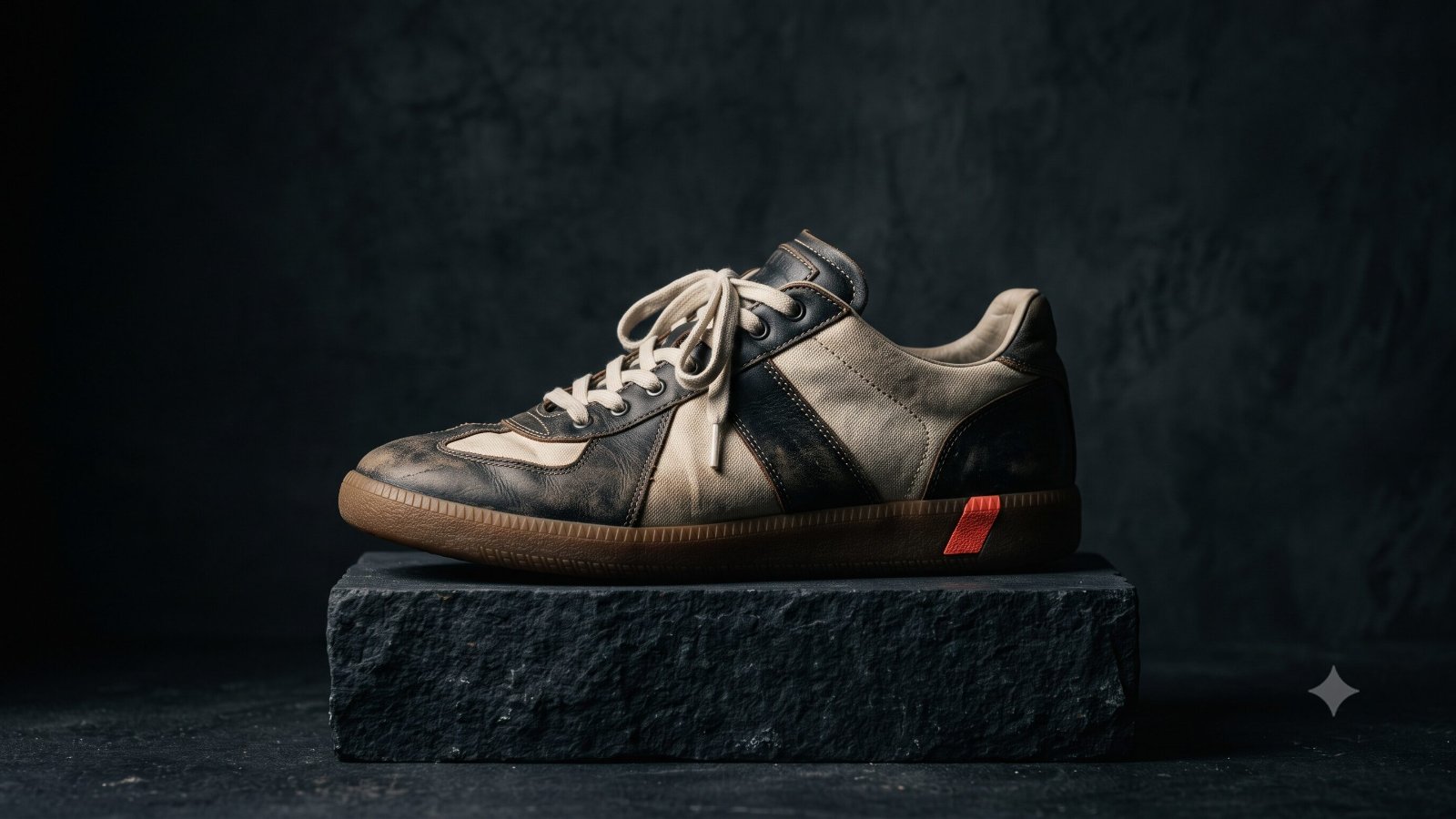
Short answer: The retro runner trend isn't a flash in the pan. It has been building for years and the sales data from running-heritage brands backs it up, not just social media buzz. Classic, comfort-first silhouettes are the safest buys. Ultra-limited collabs bought in the hope of resale profit are the part of the market that has already cooled.
Ten years ago, chunky retro running shoes were a niche taste. Now they're mainstream, worn as much off the track as on it. The trend has real staying power in some corners and real fragility in others, and the difference matters if you're about to spend money.
What's Actually Real Here
New Balance is the clearest proof. The brand reported $9.2 billion in sales for 2025, up 19%, its fifth straight year of double-digit growth, according to SGB Media. Sales were about $3.3 billion in 2020, so revenue has grown roughly 178% in five years. Growth was above 20% in North America and above 30% in Europe, and the company said its global apparel business and owned retail each passed $1 billion for the first time. The company's chief executive said it could reach $10 billion in annual revenue by the end of 2026. The company shared its results exclusively with CNBC, which framed the story as heritage "dad shoes" gaining ground on Nike.
It isn't just one brand. Asics reported net sales of ¥810.9 billion (about US$5.3 billion) for 2025, up 19.5%, its fourth consecutive record year, with its Sport Style division passing ¥100 billion in sales for the first time, according to Inside Retail Asia. Sport Style is Asics' lifestyle line, which sits closer to the retro-runner look than its performance shoes.
The pull is partly about comfort and partly about age. SGB Media's report on New Balance lists "dad shoe" popularity with younger consumers among the growth drivers, alongside new stores (80 new doors in 2025), athlete partnerships and domestic manufacturing in the United States. It also notes that the average selling price rose by about 30% over five years. In plain terms, shoppers are paying more for these shoes, not just buying more of them.
What's driving it
- Comfort culture. Chunky soles and roomier fits suit all-day wear better than the slim silhouettes that dominated the 2010s, though comfort is personal and what works for one foot won't suit another.
- Nostalgia. 90s and early-2000s styles keep cycling back into fashion, and running shoes are no exception.
- Athlete and celebrity crossover. Brands pair their lifestyle lines with high-profile athlete sponsorships, which keeps the shoes visible off the field.
- Manufacturing heritage as a selling point. New Balance has leaned on its domestic factories as part of its story. Whether that sways you is a matter of taste, since it says little about how a given pair will fit or last.
Where the Hype Outruns the Reality
Resale is not the safe bet it once looked. A 2023 Business of Fashion analysis said the sneaker resale market peaked towards the end of 2022, with Dunks that once resold at three or four times retail now selling at or below it. It pointed to brands increasing supply of formerly scarce models and to consumer fatigue from "a relentless parade of collaborations" of minor variations on the same retro shoes. A Front Office Sports piece on resellers found the picture still tough for resellers, quoting one who said buying retro Jordans at the mall can leave you with a pair worth less than retail months later. Traditional reselling margins, it reported, have collapsed.
A hot model can be overexposed. Adidas offers a cautionary example. In October 2024, Inside Retail reported that analysts were warning the Samba and Gazelle could lose their edge unless supply was managed, with one saying fashion-forward buyers "already have the shoes". That was a 2024 view, and we haven't checked how those models have sold since, but it shows how a trend can saturate.
Growth numbers aren't forever. Reaching $10 billion is the company's own ambition, not a result. Marathon Handbook noted that New Balance has not disclosed profit figures, so it's unclear what the rapid expansion is doing to margins. A brand growing this fast is also a brand with a lot of pairs in circulation, which tends to reduce exclusivity over time.
Sales growth doesn't tell you which pair to buy. A rising tide for a brand lifts models of very different quality. Strong company results are evidence the trend is healthy, not that any particular colourway will hold its appeal.
What's likely to have legs
Classic, well-reviewed silhouettes from brands with genuine running pedigree are the more defensible purchase, because people buy them for comfort as much as looks. There is no data that predicts which individual model will still be fashionable in three years, so treat this as a sensible rule of thumb rather than a guarantee.
What's more likely to fade
- Ultra-limited collabs designed to sell out and resell at a markup. The resale slump described above shows how quickly that premium can vanish.
- The most exaggerated versions of a trend, which tend to date fastest once the aesthetic moves on. This is a fashion pattern rather than a measured one, so it's a judgement call.
How to buy smart
- Buy for comfort first. If you wouldn't want to wear it walking around all day, skip it regardless of hype.
- Prefer core, ongoing models over ultra-limited runs if you want longevity over resale value.
- Check last season's colourways. Non-current colours of the same silhouette are often discounted, though stock and prices vary by retailer.
- Budget for the real price. With average selling prices climbing, compare what you'd pay now with older pairs and similar models from other brands.
- Check the returns policy before ordering online, since fit differs between models and brands.
FAQ
Is the retro sneaker trend still growing in 2026? The most recent full-year results we found, for 2025, show strong growth at New Balance (+19%) and Asics (+19.5%). We haven't seen full 2026 results yet, so it's too early to say the growth has continued.
Are limited-edition sneaker collabs a good investment? Rarely for the average buyer. Business of Fashion and Front Office Sports both describe a resale market where many once-hot pairs now sell for around retail or less.
Which retro sneaker styles will last longest? Nobody can say for certain. Classic, comfort-led running silhouettes from brands with real running heritage are the more cautious choice.
Hype-o-meter: Earns It
The retro runner trend is grounded in something real: strong sales growth at several running-heritage brands, and shoes people actually wear every day. Buy the classics for comfort, and treat the most hyped limited drops as entertainment rather than investment.
Sources
- SGB Media: New Balance revenues surge 19% in 2025, on path to $10B in 2026
- CNBC: Why New Balance's 'dad shoes' are beating Nike as sales surge 19%
- Inside Retail Asia: Asics sets record highs for 2025 fiscal year
- Business of Fashion: The sneaker resale market is broken
- Front Office Sports: Sneaker reselling was once easy money, success is now complicated
- Inside Retail: Why Adidas must manage the push and pull of demand for its trendy sneakers
- Marathon Handbook: New Balance just had its best year ever
Keep reading
Related articles
Pickleball in 2026: Still Booming or Has It Peaked?
Pickleball has been called a fad for years while participation kept climbing. The data show a real, maturing sport: 24.3 million US players, but growth has slowed sharply.
6 min read

Is There Really a Best Day to Book Cheap Flights? The Myths, Checked
'Book on a Tuesday' has been repeated as travel wisdom for years. We look at what actually determines flight prices, and what doesn't.
6 min read
Ski Season 2026/27: Polish Slopes vs the Alps, Is the Cheaper Trip Worth It?
Polish ski passes cost roughly half a big Alpine day ticket. We check what the savings buy, and what you give up in terrain and snow security.
6 min read
Hyrox in Europe: Is the Fitness Race Worth the Hype (and the Entry Fee)?
Born in Hamburg, Hyrox now fills arenas across Europe. It's a brilliant goal for gym-goers, but the true cost of a first race is closer to €1,000 than €100.
8 min read