Europe's School Phone Bans: What the Evidence Really Shows
France, Sweden, Denmark and more are banning phones in school. Teachers report better focus, but the research on grades and wellbeing is far less clear-cut.
Published · Updated
HypeGale may earn a commission from links on this page or show paid ads. It never changes our verdicts. How we work
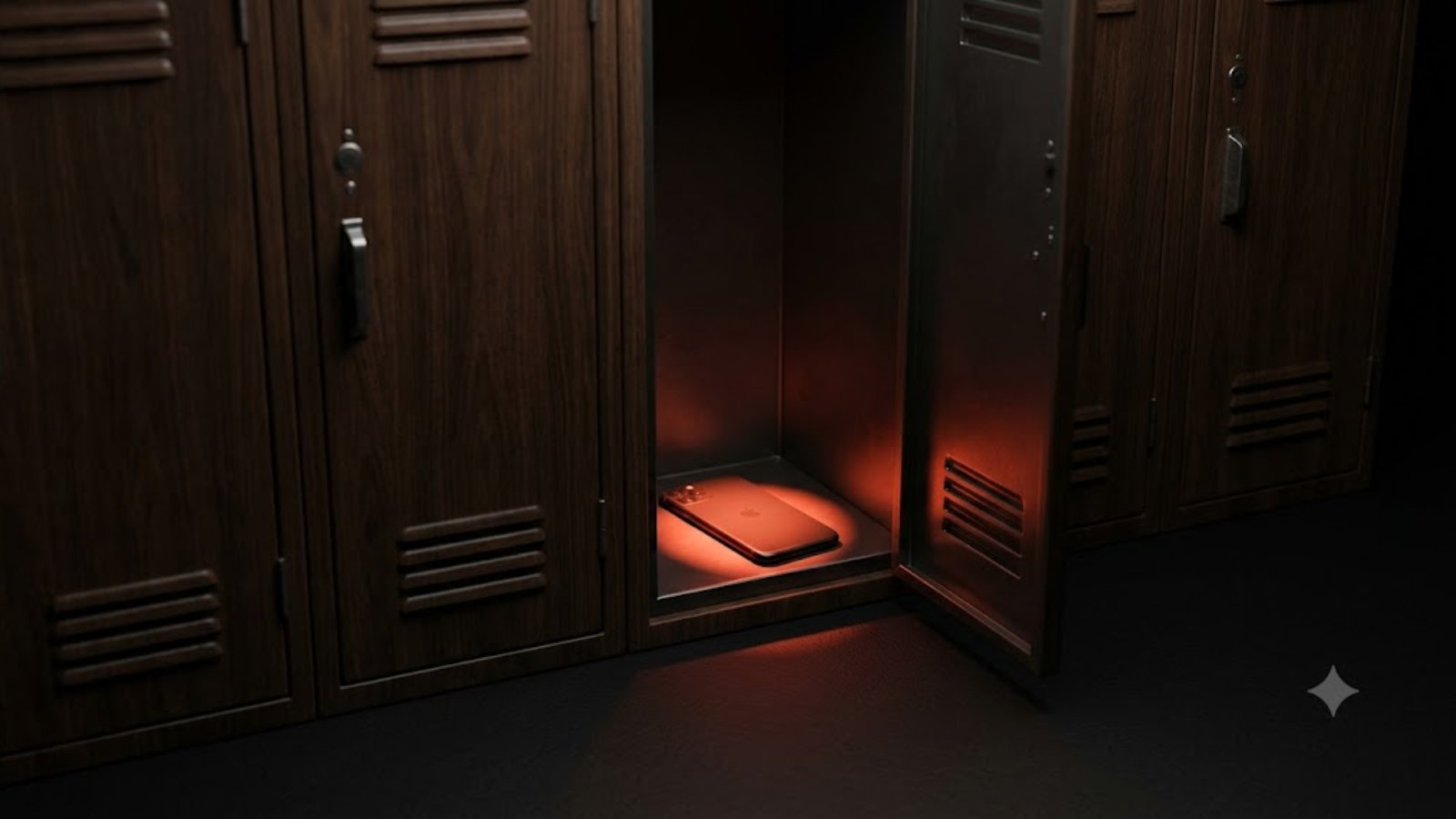
Short answer: School phone bans are spreading across Europe fast, and the early signs on classroom focus are encouraging. But the evidence that bans alone improve grades or mental health is mixed at best. They look like a sensible part of the answer, not the whole answer, and it's too soon to say they deliver what politicians are promising.
This September, phones were locked away in French lycées for the first time. Sweden and Denmark are bringing in national rules, and the Netherlands, Italy, Finland and Hungary already have them. Few education policies have spread across Europe this quickly. So what do we actually know?
Who's banning what
A snapshot of where things stand in autumn 2026, based on CGTN Europe's round-up and national reports:
- France: phones banned in lycées (ages 15 to 18) from September 2026, extending bans that already covered younger pupils since 2018. Students hand phones in to boxes, lockers or pouches on arrival.
- Netherlands: a national agreement (not a law) took effect in secondary schools on 1 January 2024, later extended to primary schools.
- Italy: bans in younger year groups from 2024, extended to upper secondary schools from September 2025.
- Finland: national restrictions in force since August 2025; phones must be out of sight in lessons unless a teacher allows them.
- Sweden and Denmark: national rules for the 2026/27 school year. Sweden's law covering primary schools and after-school centres was reported to take effect on 1 August 2026, and Denmark's parliamentary agreement requires primary and lower secondary schools and after-school facilities to be mobile-free.
- Hungary and Greece: national restrictions introduced in 2024 (Hungary from the 2024/25 school year, Greece from August 2024).
- England: section 36 of the Children's Wellbeing and Schools Act 2026, in force from 29 June 2026, gives statutory force to Department for Education guidance that schools should be phone-free by default, with schools expected to comply from 1 September 2026.
Globally, the EU's school education platform notes that about 40% of education systems had some smartphone restrictions by the end of 2024.
The case for bans
France's education minister, Édouard Geffray, framed it bluntly: "We are facing a competition between screen time and learning time, to the detriment of the latter."
The most encouraging data comes from the Netherlands. A government-commissioned survey of 317 secondary schools, reported in July 2025, found:
- 75% said students' focus had improved;
- about two-thirds reported a better social climate;
- one-third saw improved academic performance.
The case for caution
Wellbeing effects are unproven. A University of Birmingham study published in Lancet Regional Health – Europe in February 2025 followed 1,227 students in 30 English schools. Schools with restrictive phone policies showed no meaningful difference in pupils' mental wellbeing, anxiety, depression, sleep, physical activity or attainment in English and maths compared with permissive schools. What did matter was overall phone and social media use, in and out of school.
Enforcement is costly. A follow-up Birmingham study of 20 schools, published in BMJ Mental Health in February 2026, found managing phone policies took schools over 100 staff hours a week, whether policies were strict or relaxed, and again found no significant difference in pupils' quality of life.
Survey results aren't test scores. The Dutch findings are based on what schools reported, not controlled measurements of learning. Improved focus is valuable, but it isn't proof of better grades.
The EU's own analysis is nuanced. A March 2026 report on the EU's school education platform concluded that bans work best when paired with engaging teaching, clear rules and digital literacy, noting that "just taking away a pupil's phone is not enough".
What Earlier Research Found, and Its Limits
The Dutch and English findings above are recent, but researchers have been asking this question for longer. A 2016 study by Louis-Philippe Beland and Richard Murphy from the London School of Economics' Centre for Economic Performance compared schools in four English cities before and after they introduced phone bans. Exam performance rose by about 0.07 standard deviations on average, with the gains driven by the lowest-achieving pupils. That is a small average effect, and the data is about a decade old, from a period when phones and social media played a different role in teenage life, so it may not transfer to today's schools. It is also a difference-in-differences analysis of existing school policies, not a randomised trial.
The UNESCO Global Education Monitoring Report team, summarising the evidence in January 2025, pointed to studies from Belgium, Spain and the UK finding that removing smartphones improved learning outcomes, particularly for lower-performing students. It also reported that 79 education systems (40%) had school smartphone bans by the end of 2024, up from 60 (30%) the year before. Note that this is a monitoring blog summarising other studies, not a new trial.
Put these beside the Birmingham findings and a pattern emerges. Bans may help the students who are most easily distracted, and may help concentration, without moving wellbeing measures much. In the Birmingham study, restrictive policies reduced pupils' phone use during the school day by only around 40 minutes and social media use by around 30 minutes. A policy that touches only part of the day can't be expected to change outcomes tied to total screen time.
A Reality Check on England
England shows how misleading "ban" headlines can be. In April 2026 the government backed an amendment to the Children's Wellbeing and Schools Bill to put phone-free school days on a statutory footing. According to the House of Commons Library, section 36 of the resulting Act, in force from 29 June 2026, requires schools to have regard to published guidance saying they should be mobile phone-free environments by default, with exceptions only by exception. So the legal mechanism is a duty to have regard to guidance, with Ofsted checking policies, rather than a blanket prohibition written into the statute.
It also formalises what most schools already did. Children's Commissioner research, cited in coverage of the announcement, found that 99.8% of primary schools and 90% of secondary schools already had policies limiting phone use during the school day. That is another reason to be careful about attributing any later improvement to the law itself.
Questions Worth Asking Your School
If your child's school has a ban, or is about to, these questions will tell you more than the headline does (they are our suggestions):
- What exactly is the rule? Phones away all day, or just in lessons? How are they stored: pouches, lockers, handed in?
- What are the exceptions? Medical needs and teacher-led learning uses should be covered.
- Will the school measure anything? Before-and-after data on attendance, behaviour incidents or attainment would show whether the policy is working locally.
- What happens outside school hours? The best evidence suggests total use matters, so a ban doesn't remove the need for family conversations about evenings and weekends.
- How much staff time does enforcement take? The 2026 Birmingham findings suggest it can be substantial.
The bigger picture: it's not just about school hours
The strongest evidence points to how much time young people spend on phones overall, which is why governments are now looking beyond the school gate. In France, a proposed social media ban for under-15s was struck down by France's constitutional court in mid-August 2026. And in September 2026, the European Commission unveiled plans for EU-wide rules on minimum ages and safer design for social media, which still need to pass through the EU legislative process.
For more on the tech in classrooms debate, see our look at whether AI essay detectors work and at dopamine detox and digital minimalism.
FAQ
Which European countries have banned phones in schools? France, the Netherlands, Italy, Finland, Hungary and Greece have national bans or agreements, Sweden and Denmark are introducing them for 2026/27, and England has made phone-free school days the statutory default through the Children's Wellbeing and Schools Act 2026. Other countries leave it to individual schools.
Do school phone bans improve grades? Evidence is mixed. A third of Dutch schools reported better academic performance, but a UK study found no difference in English and maths attainment between restrictive and permissive schools.
Do phone bans help students' mental health? Not clearly, on their own. Research suggests total daily phone and social media use matters more than school-hours rules.
How does France's lycée phone ban work? Students put phones in boxes, lockers or pouches when they arrive and get them back after classes, with exceptions for medical needs and teacher-supervised educational use.
Hype-o-meter: Too Soon to Tell
Phone-free schools look good for focus and the social atmosphere, and few people want the old free-for-all back. But the claims that bans will transform grades and youth mental health aren't yet backed by strong evidence. The next two years of data from France, Sweden and Denmark will tell us much more.
Sources
- The Irish Times: France bans phones in schools amid warnings of "intellectual crisis"
- CGTN Europe: Which European countries are banning mobile phones from schools?
- The Japan Times: Study finds smartphone bans in Dutch schools improved focus
- University of Birmingham: School bans alone not enough
- University of Birmingham: Managing phone use takes the average UK school more than 100 hours a week
- European School Education Platform: Mobile phone bans in schools across the EU
- House of Commons Library: Mobile phones in schools (England)
- LSE Centre for Economic Performance: Beland and Murphy on phone bans and exam results
- UNESCO GEM Report blog: To ban or not to ban?
- SEN Magazine: Mobile phones to be banned in schools in England
- Eurydice: Denmark, agreement on mobile-free schools
- Sweden Herald: Swedish schools to be mobile-free from August 1, 2026
- The Irish Times: Social media age limits, von der Leyen's proposal
Keep reading
Related articles

Is Blogging Dead in 2026? Starting a Side-Hustle Site in the Age of AI Search
AI search summaries are supposedly killing blog traffic. We look at what's actually happening to independent sites, and whether starting one still makes sense.
5 min read
Micro-Credentials in 2026: Career Boost or Expensive Badge?
Short online certificates promise faster hiring and higher pay. The best ones help. But most of the glowing numbers come from the companies selling them.
7 min read

Do AI Essay Detectors Actually Work in 2026?
Schools lean on AI detectors to catch cheating, but false positives and bias against non-native English writers keep undercutting the tech.
6 min read
The AI 'Second Brain' for Students: Smarter, or Just Busier?
AI note-takers and 'second brain' tools promise to organise your thinking and boost grades. The filing is useful, but there is no evidence they make students smarter.
6 min read