Protein in Everything: Do You Actually Need It?
New US guidelines raised the protein range, but most adults already eat near it. Who may need more, and whether premium protein products are worth the price.
Edited by Rowan Ellery, who is not a medical professional. This article is for information only and is not medical advice. Talk to a qualified professional about your own situation.
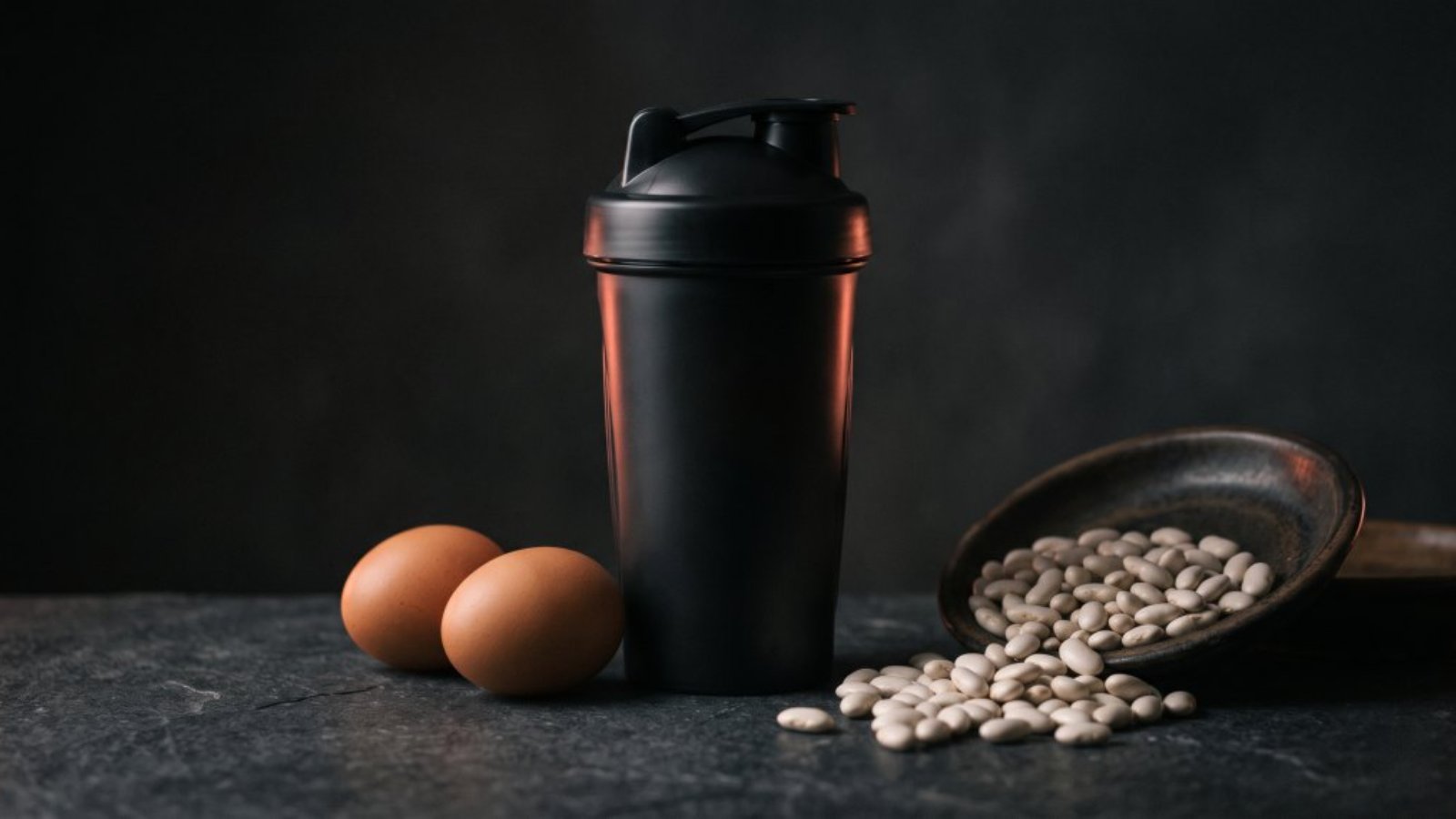
Short answer: For most healthy adults, "protein everything" is more marketing than need. The new US dietary guidelines set a higher protein range, but researchers cited by FactCheck.org say adults already average near it and widespread deficiency is not a problem. Older adults, regular lifters, people losing weight or recovering from illness are the groups experts say may benefit from more. This is general information, not medical advice; ask a clinician or dietitian about your own needs.
Protein is now in coffee, cereal, popcorn and yogurt. One 2025 International Food Information Council survey, cited by the Daily Herald, found 70% of Americans said they were trying to eat more of it, up from 59% three years earlier.
What's Actually Real Here
The guidelines did raise the number. The 2025-2030 Dietary Guidelines for Americans, dated January 2026, list a protein goal of 1.2 to 1.6 grams per kilogram of body weight per day, adjusted for calorie needs. FactCheck.org (Feb. 3, 2026) notes the adult Recommended Dietary Allowance is 0.8 g/kg, so the new range is 50% to 100% higher than that. But the RDA is set by the National Academies and is a floor meant to prevent deficiency, not a target, FactCheck.org says. The guidelines also say to prioritize protein from a variety of animal and plant foods, including eggs, poultry, seafood, beans, lentils, nuts and soy. They do not discuss protein powders or bars.
Many adults are already in range. FactCheck.org says researchers using government survey data estimate adults average near or slightly above 1.2 g/kg a day. It cites a 2018 study of 2001-2014 data in which non-elderly men averaged above 1.2, with intake drifting toward 1.0 with age, and women averaged about 1.0 to 1.15. That data is more than a decade old, so treat it as a rough guide.
Some groups may need more. Stuart Phillips of McMaster University told FactCheck.org the strongest evidence supports older adults, people who regularly do resistance or endurance training, people recovering from illness or injury and people intentionally losing weight. Harvard's Frank Hu added people on weight-loss drugs. The guidelines themselves say older adults need equal or greater amounts of protein despite needing fewer calories. For GLP-1 medicines, see our look at weight-loss pills in 2026, and ask your prescriber about nutrition.
Where the Hype Outruns the Reality
"Everyone is short on protein" is not supported. The experts FactCheck.org interviewed say Americans are not generally protein-deficient. It also found that when FDA Commissioner Marty Makary said the new guidelines raised protein 50% to 100%, that is accurate only relative to the RDA, not relative to what people eat. Purdue's Wayne Campbell told it the evidence since the early 2000s is "inconsistent."
Protein labels do not make food healthy. A 2024 study by Spanish researchers, cited in the Daily Herald piece (written by a nurse and patient advocate, so verify the original), found 91% of foods with protein claims were less healthy overall, often because they were ultra-processed with added sugar, fat or sodium. FoodNavigator reported in December 2025 that an estimated 40% of US yogurt carries a high-protein label, though it names no source for that number.
The trend may cool. Mintel expects "protein maxxing" to fall out of favor by 2030, according to FoodNavigator. Nobody here is predicting a crash; that is one analyst's forecast.
Protein alone does not fix health. Hu and UC's Wendi Gosliner told FactCheck.org that diet quality, sleep, inactivity and ultra-processed food matter too.
Are Premium Protein Products Worth It?
Price per gram of protein is a narrow test: it ignores fiber, sugar, other nutrients and convenience. The prices below are what we saw on listing pages, and prices vary by store and over time.
| Product (date seen) | Price | Per gram protein |
|---|---|---|
| Large eggs, 12 ct, 6 g each (Walmart page, Oct. 27, 2026) | $1.67 | about 2.3 cents |
| Canned black beans, 15 oz, 3.5 servings at 7 g (same) | $0.92 | about 3.8 cents |
| Protein shake, 12 x 30 g (same) | $31.98 | about 8.9 cents |
| Starbucks protein cold foam, about 15 g | $2 | about 13 cents |
Walmart listings showed no price date, so treat those as of our Oct. 27 look. The cold-foam figures come from Starbucks's September 2025 launch page, which says prices may vary by store. Starbucks also lists a $1 protein-boosted milk swap that adds 12 to 16 g, or roughly 6 to 8 cents a gram. We did not verify a menu price for a full protein latte. Eggs and beans bring other nutrients and need cooking; a shake needs no prep and keeps for months. Cost per gram is one lens, not the whole answer.
A Practical Approach
- Check your baseline. Most people can count protein in meals they already eat before adding products.
- Spread whole-food protein through the day: eggs, dairy, beans, lentils, fish, poultry or soy.
- Read the whole label. Look at sugar, sodium and ingredients, not only the protein number.
- Use products for convenience, not necessity. A shake can help when appetite is low or time is short.
- See a professional if you are in a higher-need group, such as being older, in recovery or on weight-loss medication. Also see our creatine hype check for another supplement claim.
FAQ
How much protein do the new guidelines recommend? The 2025-2030 guidelines list 1.2 to 1.6 g per kg of body weight per day, adjusted for calorie needs. This is a population guideline, not a personal prescription.
Is the old 0.8 g/kg figure wrong now? It is still the RDA, which the National Academies set as a minimum to prevent deficiency. FactCheck.org says an update is planned without a timeline.
Do I need protein shakes? Not for most healthy adults, according to the experts cited. They can be convenient.
Who may need more protein? Older adults, regular trainers, people recovering from illness or injury and people losing weight, per Phillips.
Are plant proteins enough? The guidelines list beans, lentils, nuts, seeds and soy as protein foods and advise diversifying plant sources.
Things change quickly. This article reflects what was publicly known when it was written or last updated, so details such as prices, availability, rules and product specs may have changed since. Always check the official source before you buy or decide.
Sources
- Dietary Guidelines for Americans, 2025-2030 (USDA and HHS, January 2026)
- Americans Don't Need 'Dramatically' More Protein, Despite Officials' Claims (FactCheck.org, Feb. 3, 2026)
- Patient advocate: Protein is the big food craze of 2026 (Daily Herald, Jan. 30, 2026)
- Biggest food trend for 2026 revealed (FoodNavigator, Dec. 11, 2025)
- Starbucks new protein lattes and cold foam drinks now available (Starbucks, Sept. 2025)
- Premier Protein Shake, Cookies and Cream, 12 Ct (Walmart listing, seen Oct. 27, 2026)
- Great Value Black Beans, 15 oz (Walmart listing, seen Oct. 27, 2026)
- Great Value Large White Eggs, 12 Count (Walmart listing, seen Oct. 27, 2026)
Keep reading
Related articles

AI Health Coaches on Wearables: Is There Evidence They Work?
Fitbit and Whoop sell AI coaches; Oura is trialing one. We looked for evidence that they change behavior or health, and what does not exist yet.
6 min read

At-Home Microplastics Tests: What Your Number Can't Tell You
Mail-order microplastics tests give you a number, but experts say there is no standard to judge it against. Here is what they can and cannot tell you.
6 min read

Super-Foam Running Shoes for Everyday Runners: Do You Need Carbon and Max Cushioning?
Carbon-plated super shoes work at race pace, but the benefit shrinks and gets less predictable at everyday paces. Here is what the research says, and when a daily trainer is the smarter buy.
6 min read

Poland's Cold-Water Swimming Craze: Health Hype or Real Benefits?
Morsowanie, Polish winter swimming, draws thousands to the Baltic every year. The short-term effects are real, but the case for lasting health benefits is still thin.
7 min read