Super-Foam Running Shoes for Everyday Runners: Do You Need Carbon and Max Cushioning?
Carbon-plated super shoes work at race pace, but the benefit shrinks and gets less predictable at everyday paces. Here is what the research says, and when a daily trainer is the smarter buy.
Reviewed by the HypeGale Content Team. This article is for information only and is not medical advice. Talk to a qualified professional about your own situation.
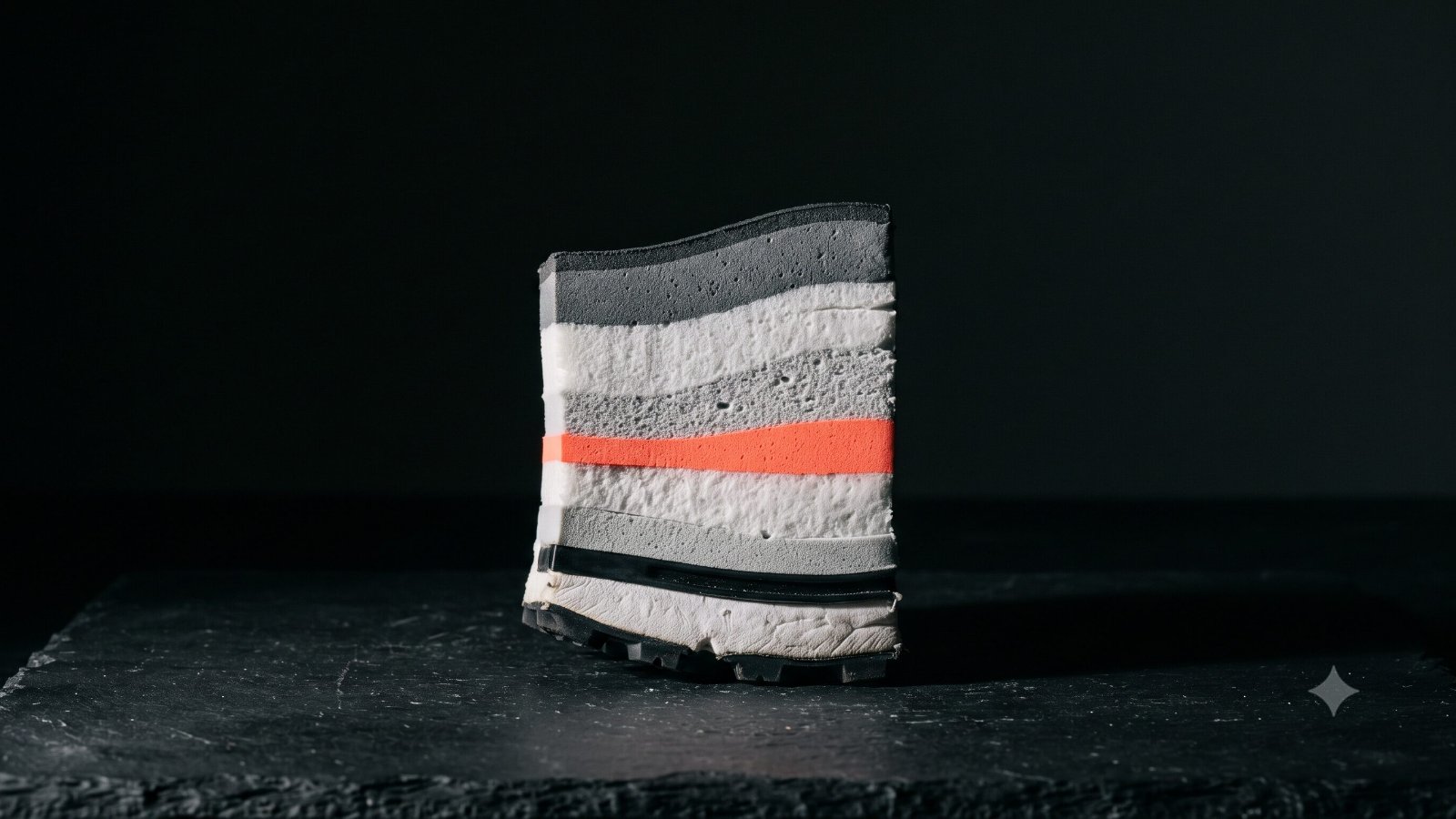
Short answer: Carbon-plated "super shoes" have a genuine, measured benefit at race pace, and that is real technology, not marketing fiction. The hype goes wrong when it is stretched to everyday running. At slower paces the gain shrinks and varies from person to person, the foam may wear out sooner, and the injury evidence is still thin. This article is informational only and is not medical or coaching advice.
Walk into a running shop and the wall of options now includes shoes with thick, springy foam and a stiff plate that were first built for marathon racing. They typically cost more than standard trainers. The practical question is whether a recreational runner doing mostly easy miles gets anything like the benefit the headlines describe.
What's Actually Real Here
The race-pace benefit is documented. In a 2018 study in Sports Medicine, Hoogkamer and colleagues measured the energy cost of running in Nike's Vaporfly prototype against two other marathon racing shoes in 18 high-calibre young male runners and reported savings of around 4% on average, at 14, 16 and 18 km/h. Those are fast paces and an unusually fit group, so the figure should not be assumed to apply to everyone. It is the best-known study behind the category.
Foam and geometry matter, not just the plate. Super shoes combine soft, high-rebound foam, a tall stack and a stiff plate. Researchers continue to debate how much each element contributes, so "carbon plate" on its own is not a guarantee.
The rules recognise the technology. Under the World Athletics rules as summarised in UK Athletics' April 2021 guidance, road-shoe soles are limited to 40 mm with no more than one rigid plate, and shoes must be available on the open retail market. UK Athletics' guidance encourages officials to use discretion at entry-level and mass-participation events, so the rules are not aimed at casual runners. Rules can change, so check the current version.
Where the Hype Outruns the Reality
Slower paces see a smaller, less consistent gain. A study led by Dustin Joubert, reported by Runner's World South Africa, tested 16 runners with 5K personal bests of roughly 19 to 20 minutes in a Vaporfly Next% 2 against an Asics control shoe. At 5:00/km the average improvement was about 1.4%, and at 6:00/km about 0.9%, compared with 2.7 to 4.2% at faster speeds. At the slower pace, about a third of participants were less economical in the super shoe. These runners are faster than most recreational runners, and the study is small, so the picture for a typical jogger is uncertain. The direction, though, is consistent: less benefit, less predictably, as pace drops.
Durability is a real question. A 2023 study in the Scandinavian Journal of Medicine and Science in Sports by Rodrigo-Carranza and colleagues, summarised by Outside, found that, in 22 runners wearing near-identical prototype shoes with a carbon plate, a PEBA-foam version was about 1.8% more economical than an EVA-foam version when new, but after roughly 280 miles (about 450 km) the advantage disappeared while the EVA shoe showed no measurable change. It is a single shoe comparison with one test point, so it does not give a mileage limit for every model, but it explains why many runners save super shoes for key days.
The injury evidence is early and cautionary. A 2023 case series in Sports Medicine led by Adam Tenforde described five runners who developed navicular bone stress injuries after adopting carbon-plate footwear. Five cases cannot show that the shoes cause injuries or how common they are. It does suggest that runners who switch to this footwear and feel vague midfoot or ankle pain should not ignore it.
"Every run, every runner" is marketing, not science. None of the research above shows that easy daily miles in a super shoe make you faster or healthier. Training adaptations come from the training, not the shoe.
A Practical Approach for Everyday Runners
- Match the shoe to the session. A well-cushioned daily trainer for easy runs, and a super shoe, if you want one, for races and the hardest workouts.
- Introduce them gradually. If you are trying a plated shoe, start with short runs and build up. Do not make your first long run in a new pair the race itself.
- Rotate pairs. Having more than one pair of shoes for different sessions is a common strategy, and it keeps your super shoes fresh for the days that matter.
- Track mileage. Given the durability findings, assume a super shoe's best performance life may be limited, and retire it from race duty when it feels flat. Check the manufacturer's guidance for your model.
- Listen to pain. Persistent foot, ankle or shin pain is a reason to rest and talk to a clinician or physiotherapist, whatever shoes you wear.
- Check race rules if you compete. Shoes that comply with World Athletics rules are what elite events require. Most recreational events are more relaxed, but it is worth checking the organiser's rules.
FAQ
Do super shoes actually make you faster? At race pace, research found an average running-economy benefit of around 4% in the 2018 study, and that benefit is a major reason for their adoption. At slower paces, the gain is smaller and not guaranteed.
Are they worth it for beginners? For most beginners, a comfortable daily trainer is the sensible first purchase. Super shoes cost more and wear out sooner, and the benefit at easy paces is small.
How long do they last? It depends on the model. One study found a PEBA-foam shoe lost its edge over an EVA shoe by around 280 miles (about 450 km). Treat that as an example, not a rule.
Do super shoes cause injuries? The evidence is limited. A case series reported navicular stress injuries in five runners. Larger studies are needed. If you have persistent pain, see a clinician.
Are they legal in races? Under the 2021 World Athletics guidance, road shoes with soles up to 40 mm, one rigid plate and open retail availability are allowed in elite competition. Rules can change, and your event's own rules apply.
Things change quickly. This article reflects what was publicly known when it was written or last updated, so details such as prices, availability, rules and product specs may have changed since. Always check the official source before you buy or decide.
Sources
- Hoogkamer W, et al. A comparison of the energetic cost of running in marathon racing shoes. Sports Medicine, 2018
- Runner's World South Africa: Do super shoes work for regular marathoners? (Joubert study)
- Outside: How long do supershoes last? (Rodrigo-Carranza et al., 2023)
- Mass General Brigham: Bone stress injuries after using carbon fiber plate footwear (Tenforde et al., 2023)
- UK Athletics: World Athletics Shoe Rule FAQs, April 2021
Keep reading
Related articles
AI Health Coaches on Wearables: Is There Evidence They Work?
Fitbit and Whoop sell AI coaches; Oura is trialing one. We looked for evidence that they change behavior or health, and what does not exist yet.
6 min read

At-Home Microplastics Tests: What Your Number Can't Tell You
Mail-order microplastics tests give you a number, but experts say there is no standard to judge it against. Here is what they can and cannot tell you.
6 min read

Poland's Cold-Water Swimming Craze: Health Hype or Real Benefits?
Morsowanie, Polish winter swimming, draws thousands to the Baltic every year. The short-term effects are real, but the case for lasting health benefits is still thin.
7 min read

Weight-Loss Pills in 2026: Do GLP-1 Tablets Live Up to the Hype?
The Wegovy pill and Lilly's Foundayo have made GLP-1s a daily tablet. They work, but not quite like the injections. Here's the honest picture.
8 min read