Oura Ring in 2026: Is the Health-Tracking Hype Worth $399+?
The Oura Ring is the poster child of health wearables. We break down what it does well, where it falls short, and whether it is worth the price plus membership.
Published · Updated
HypeGale may earn a commission from links on this page or show paid ads. It never changes our verdicts. How we work
Brand deep-dive
Oura Ring in 2026: Is the Health-Tracking Hype Worth $399+?
The Oura Ring is the poster child of health wearables. We break down what it does well, where it falls short, and whether it is worth the price plus membership.
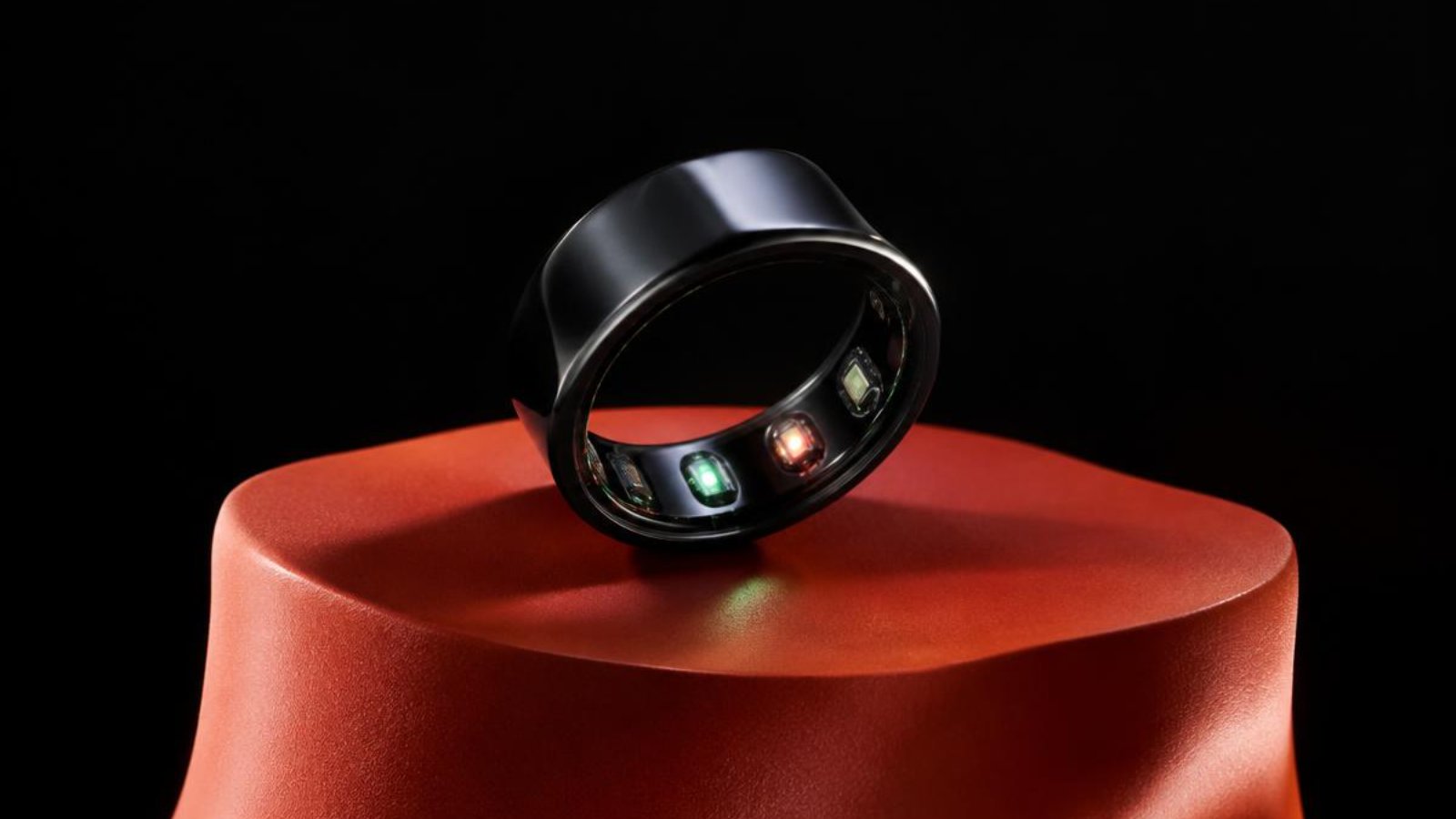
Every category eventually gets its flagship, the product that defines the whole conversation. For health-tracking wearables, that product is the Oura Ring: a discreet band on your finger that measures your sleep, recovery and readiness, then serves it back as a daily score. No wrist gadget, no screen, just data and a verdict on how ready you are to take on the day.
It's beloved, it's imitated, and it's not cheap. The newest model, the Oura Ring 5, launched in June 2026 from $399, and the full experience runs on a paid monthly membership on top. So is the most-hyped health ring worth what it costs?
(HypeGale doesn't test products itself. This verdict is based on Oura's published pricing and specs, independent research and our reading of the evidence.)
What's Actually Real Here
Sleep tracking is the strongest part of the case. The main peer-reviewed test we found is a 2024 study in the journal Sensors that compared the Oura Ring Gen 3, the Fitbit Sense 2 and the Apple Watch Series 8 with polysomnography, the clinical sleep-lab standard, in 35 healthy adults aged 20 to 50. All three devices detected sleep versus wake with at least 95% sensitivity. The Oura Ring showed the closest agreement with the lab on sleep stages, while the other two were more variable. That's meaningful support for the core claim.
Read it with its limits in mind:
- It involved healthy adults over a single night, so it says little about people with sleep problems or about long-term accuracy.
- It tested the Gen 3 ring, not the Ring 4 or Ring 5.
- The paper discloses that Oura funded the research and that the lead author serves on Oura's medical advisory board and receives consulting fees. That doesn't invalidate the results, but it's context.
Oura's own Ring 5 page makes bigger claims, including 95% sleep-staging accuracy against clinical labs and 99% heart-rate accuracy against ECG. Those are company claims, so treat them as marketing until you've seen the methods.
The form factor is a real advantage. It's light, screen-free, and Oura says the Ring 5 lasts up to 6 to 9 days per charge depending on ring size and use. There's no notification firehose and no glowing display: it collects data and gets out of your way. For people who want insight without another attention-grabbing screen, that's a meaningful difference from most AI wearables.
Trends over time are where it shines. The daily "readiness" and recovery scores are most valuable not as a single number but as a pattern, such as noticing that poor sleep, alcohol, illness or stress consistently move your metrics. As a mirror for your habits, it's useful.
Where the Hype Outruns the Reality
The real price is the ring plus the membership. According to Oura's store, the Ring 5 starts at $399 in Silver and Black, with finishes such as Gold, Deep Rose, Stealth and Brushed Silver at $499. In the UK, Tech Advisor lists the same numbers in pounds (£399 and £499). The previous-generation Oura Ring 4 was listed from $349 when we checked on 5 October 2026, and the store showed it as discounted. An optional Ring 5 charging case is $99, according to Tech Advisor.
Membership is $5.99 a month or $69.99 a year in the US (£5.99 a month in the UK), with the first month free, according to Oura. Without it, Oura says the ring still works but the insights and personal health data are "much more limited." Here's our own arithmetic, before tax and any promotions: three years of a Ring 5 at $399 plus the annual membership comes to roughly $609, and a Ring 4 at $349 comes to roughly $559. You're not buying a gadget so much as subscribing to a service that happens to need a ring.
Accuracy has limits. It's good for trends, less so as a precise medical instrument. Individual nightly numbers can be off, and "readiness" is an interpretation, not a diagnosis. Treating a score as gospel, or letting a bad score dictate your mood, misuses the tool. (This is the exact trap we describe in sleepmaxxing.)
It's a wellness product, not a medical device. The US FDA issued final General Wellness guidance for low-risk products that promote a healthy lifestyle on 6 January 2026. Consumer wearables are generally pitched in that wellness space, which is why you see "readiness" and "insights" rather than diagnoses. Some newer features are region-specific: Tech Advisor reports that Ring 5's blood pressure signals feature is limited to the US, India and the UAE, so check what's available where you live.
The data-to-action gap. The ring tells you that you slept badly. It doesn't sleep for you. For plenty of people, the insight quickly becomes something they already knew ("late night, rough day"), and the novelty of checking a score can fade within a few months.
Who It's Actually Worth It For
A straight answer:
- Worth it: you're genuinely data-motivated, you'll act on trends, you specifically want sleep and recovery insight, and you prefer a discreet ring to a smartwatch. For this person, it's arguably the strongest option in its class.
- Think twice: you want precise medical-grade numbers, you're subscription-averse, or you suspect you'll check the score obsessively for two weeks and then forget it. Be honest about which one you are.
- Skip: you already sleep well, know your habits, and don't need a device to confirm it. The most optimized health tool is sometimes the one you didn't need to buy.
A short checklist before you buy:
- Price the whole thing. Ring plus membership over three years, not the sticker price.
- Check ring sizing. Rings come in sizes, so confirm yours before committing, and check the return window (Oura's store mentions 30 days).
- Decide what question you want answered. "Why do I sleep badly after late meals?" is a good use. "Make me healthier" is not.
- Know your exit. Oura says you can cancel the membership at any time, with access continuing through the billing period.
- Consider last-generation pricing. Compare what the Ring 5's extra cost gets you over a discounted Ring 4.
For the wider wearables debate, see AI wearables in 2026; for the trend it feeds, sleepmaxxing; and for the monthly roundup, what's creating the hype right now.
General information, not medical advice. A wearable's scores are not a diagnosis. For health concerns, talk to a professional.
FAQ
Is the Oura Ring worth it in 2026?
For a data-motivated person who wants discreet sleep and recovery tracking and will act on the trends, yes. If you want medical precision, dislike subscriptions, or won't use the data, it's harder to justify.
How much does the Oura Ring cost?
The Oura Ring 5 starts at $399 (or £399 in the UK), with premium finishes at $499. Membership is $5.99 a month or $69.99 a year in the US. Check Oura's store for current prices, since discounts and regional pricing vary.
Why does the Oura Ring need a subscription?
The hardware captures the data, but the full insights and features run on a paid membership. Oura says that without it the insights and personal health data are much more limited.
Is the Oura Ring accurate?
A 2024 study of 35 healthy adults found Oura Ring Gen 3 agreed most closely with a sleep lab among three devices tested, though it was funded by Oura and covered an older model. It's strong for tracking trends and less reliable as a precise, medical-grade instrument. Use it to spot patterns, not to treat any single nightly number as fact.
Oura Ring or a smartwatch?
Choose the ring if you want discreet, screen-free sleep and recovery insight and multi-day battery. Choose a smartwatch if you want workouts, notifications, apps and an on-wrist display. They serve different goals.
Hype-o-meter: Earns It
The Oura Ring earns much of its reputation: sleep tracking with independent (if Oura-funded) support behind it, in a form factor you'll actually wear, and real value as a long-term mirror for your habits. The catches are the price-plus-membership model, which puts a three-year cost near $600, and the risk of mistaking an interpreted score for hard truth. If you're data-driven and will act on what it shows, it's worth it. If you're buying it to become healthy rather than to understand your health, save your money.
Sources
- Oura Membership (Oura): membership pricing, free first month, what works without membership
- Oura Ring 5 (Oura): Ring 5 pricing, battery, water resistance and company accuracy claims
- Oura Store (Oura): Ring 4 and Ring 5 pricing
- Oura Ring 5 release date, price, specs (Tech Advisor): launch timing, UK pricing, charging case, regional feature limits
- Accuracy of Three Commercial Wearable Devices for Sleep Tracking in Healthy Adults (Sensors, MDPI, October 2024): comparison against polysomnography, with funding and conflict disclosures
- General Wellness: Policy for Low Risk Devices, Final Guidance (US FDA): confirms the final guidance date
Keep reading
Related articles
Vibe Coding and Web Hosting: Do You Still Need a Host in 2026?
AI app builders publish your site for you, so web hosting can look optional. It isn't, quite. Here is what built-in hosting covers and where it stops.
6 min read

Office 2021 Support Has Ended: Do You Really Need to Upgrade?
Office 2021 lost security updates on October 13, 2026. Here's what's actually at risk, and the free and paid ways to replace it without overspending.
5 min read
5G in Germany in 2026: Hype vs What Your Phone Actually Gets
Germany's 5G coverage is real and Telekom leads, but cheap plans often cap speed at 25 or 50 Mbit/s. Here is what to check before you choose.
6 min read

New iPhone: Carrier Deal vs Unlocked Plus a Cheap Plan, Which Saves More?
Carrier 'free iPhone' trade-in deals look tempting every September. We run the real math against buying unlocked and pairing it with a budget plan.
7 min read