'Nature's Ozempic' Supplements: A Level-Headed Hype Check
Berberine, fibre powders and 'natural GLP-1' supplements promise weight loss without the injection. Here's what's real and what's wishful thinking.
Published · Updated
Reviewed by the HypeGale Content Team. This article is for information only and is not medical advice. Talk to a qualified professional about your own situation.
HypeGale may earn a commission from links on this page or show paid ads. It never changes our verdicts. How we work
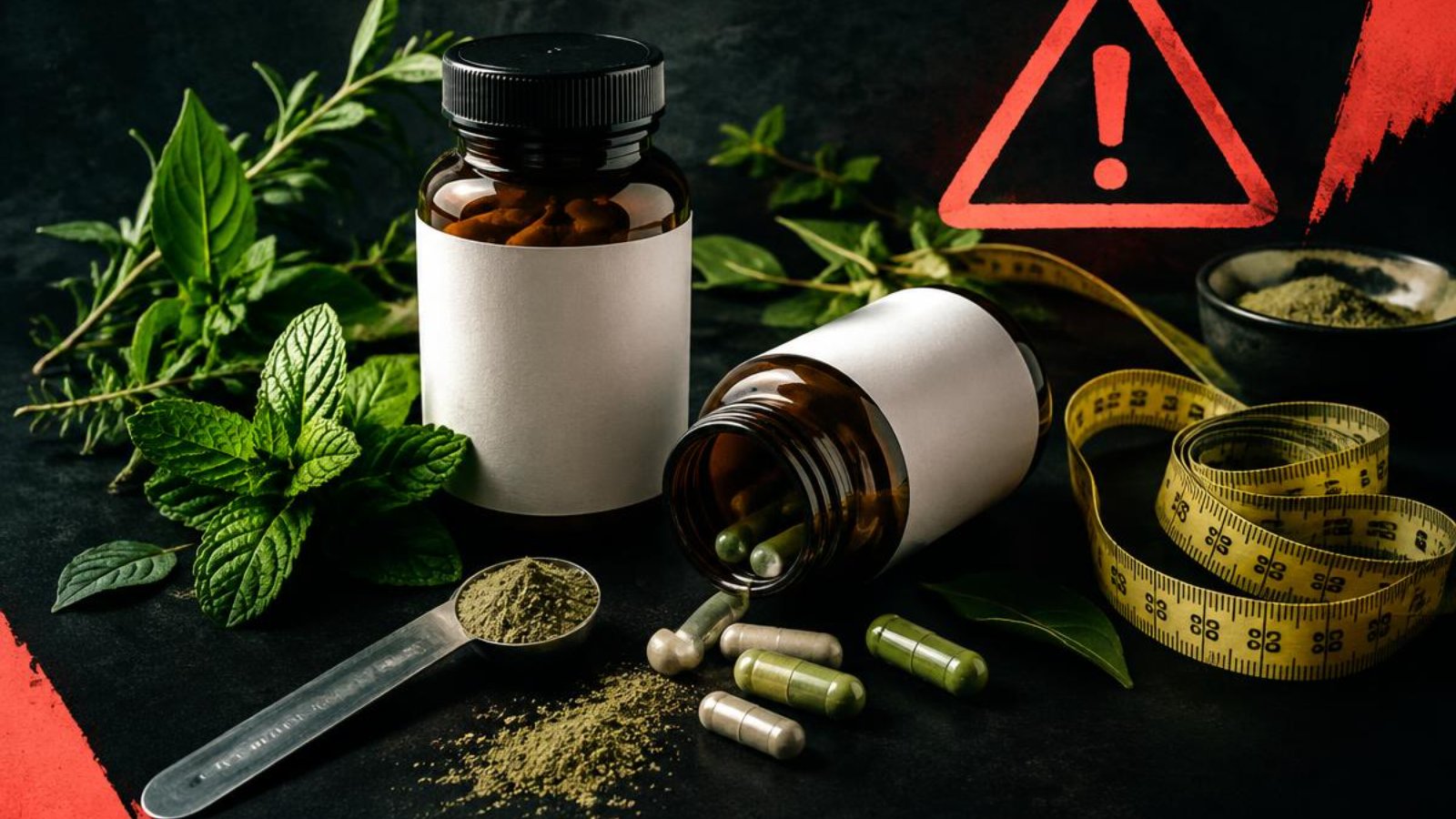
The prescription weight-loss drugs got all the headlines. So it was only a matter of time before the supplement aisle answered with a cheaper, needle-free promise: get similar results naturally, with a capsule or a scoop of powder. "Nature's Ozempic" became a hashtag, then a whole shelf.
It's an incredibly appealing pitch: all of the upside, none of the prescription. Which is precisely why it deserves a cold, careful read. This one matters more than most, because it's about your body and your money at the same time.
What's Actually Real Here
Peel back the branding and "natural GLP-1" supplements are usually a small cast of familiar ingredients: berberine, various soluble fibres, and blends built around appetite or blood-sugar support.
The theory they lean on is real in outline. Things that slow digestion or blunt appetite can affect how much you eat. That's the thread of truth the marketing pulls on, and some of these ingredients have been studied.
Berberine is the best-known example. The US National Center for Complementary and Integrative Health (NCCIH), part of the National Institutes of Health, notes that a 2022 review of 18 studies found significant decreases in weight and BMI among berberine users. But it adds that many of the studies had a high risk of bias and that individual results were inconsistent. The effects appeared mainly at doses above 1 gram a day taken for more than eight weeks, and NCCIH says more high-quality research is needed before definite conclusions can be drawn.
So the honest summary is not "it does nothing." It is "the evidence is weak and inconsistent, and nowhere near what the name implies."
Where the Hype Outruns the Reality
The Ozempic comparison is the entire sales hook, and it's the weakest part.
The NIH Office of Dietary Supplements' fact sheet on weight-loss supplements opens with the observation that little is known about whether weight-loss supplements are effective, and that some have been associated with potential physical harm. Its ingredient-by-ingredient review describes small effects of uncertain clinical relevance for many of them. Green tea catechins combined with caffeine produced roughly 1.4 kg of extra loss over 12 weeks compared with caffeine alone, and a Cochrane review found chitosan reduced body weight by a mean of 1.7 kg compared with placebo, though the reviewers called the effect probably clinically insignificant. Soluble fibre is no miracle either: for glucomannan, one meta-analysis found doses of about 1.2 to 4 g a day for up to 12 weeks had no significant effect on body weight, and the fact sheet warns that tablet forms carry a risk of oesophageal obstruction.
For contrast, the OASIS 4 trial of oral semaglutide 25 mg in adults without diabetes who had overweight or obesity reported average weight loss of about 14% versus 2% with placebo over 64 weeks of treatment, according to a summary from the American College of Cardiology. These were different trials in different populations, so it is not a head-to-head comparison. But the gap between "a kilo or two" and "double-digit percentages" is the canyon the branding asks you to jump.
Other cautions:
- "Natural" doesn't mean "free of effects." NCCIH lists nausea, abdominal pain, bloating, constipation and diarrhoea as reported berberine side effects, notes an interaction with the transplant drug cyclosporine, and says berberine is likely unsafe for infants and may be unsafe in pregnancy or while breastfeeding.
- Testimonials are not trials. Dramatic before-and-afters often involve eating changes doing the heavy lifting, and the FDA tells consumers to be sceptical of unrealistic claims and of products with numerous glowing testimonials.
- Unregulated blends are a black box. In the US, the FDA does not approve dietary supplements before they are marketed and generally acts after problems emerge. Weight loss is a category the FDA flags as particularly prone to hidden drug ingredients, for example a product containing the banned drug sibutramine while sold as an "all-natural weight loss supplement."
What to Do Instead
If you strip the hype out, here's the fair version: some ingredients may offer a small nudge for some people, mostly alongside actual dietary change, but the evidence is limited. It's not a substitute for real lifestyle change or, where appropriate, a medical conversation.
A quick checklist before buying:
- Be suspicious of any product that names a prescription drug in its marketing. The comparison is borrowed credibility, not evidence.
- Look for specifics. Is the dose of each ingredient listed, or hidden in a "proprietary blend"?
- Check your medicines. Interactions are real, even for plant-derived ingredients. Ask a pharmacist or doctor before starting anything.
- Don't treat a pill as a prescription substitute. If you want a GLP-1 medicine, that is a conversation with a licensed clinician. The FDA warns that unapproved versions of GLP-1 drugs do not go through its review for safety, effectiveness and quality, and lists red flags such as suspiciously low prices and no doctor screening.
For the trend it's most related to, see the inflammation wave. The full roundup lives in what's creating the hype right now.
This is general information, not medical advice, and nothing here is a recommendation to start or stop any supplement or medication. Weight and metabolic health are personal, so please talk to a qualified healthcare professional about your situation.
FAQ
Is berberine really "nature's Ozempic"?
No. A 2022 review summarised by NCCIH found weight and BMI reductions, but the underlying studies were often at high risk of bias with inconsistent results, and nothing shows the effects are comparable to prescription GLP-1 medicines. The name is marketing.
Are natural weight-loss supplements safe because they're natural?
Not automatically. "Natural" ingredients can still cause side effects and interact with medications, and the FDA has warned about hidden drug ingredients in weight-loss products. Check with a pharmacist or doctor.
Do these supplements work at all?
For many weight-loss ingredients, the NIH fact sheet describes small effects of uncertain clinical relevance. Expect, at most, a minor helper, not a transformation.
What actually helps with weight?
Sustainable changes to eating and activity, and, where weight is a significant health concern, a conversation with a doctor about evidence-based options.
Hype-o-meter: Overhyped
The ingredients behind the trend have small, inconsistent evidence at best; the "nature's Ozempic" framing wrapped around them is borrowed prestige, not matching science. Treat these as minor helpers at most, be cautious about "natural = safe," and don't let a capsule stand in for the boring stuff that works.
Sources
- Berberine and Weight Loss: What You Need To Know (NCCIH, NIH)
- Dietary Supplements for Weight Loss: Health Professional Fact Sheet (NIH Office of Dietary Supplements)
- Avoiding Products Contaminated with Hidden Ingredients (U.S. FDA)
- Questions and Answers on Dietary Supplements (U.S. FDA)
- OASIS 4: Significant Weight Loss With Oral Semaglutide Comparable With High-Dose, SC Versions (American College of Cardiology journal scan)
- FDA's Concerns with Unapproved GLP-1 Drugs Used for Weight Loss (U.S. FDA)
Keep reading
Related articles
Weight-Loss Pills in 2026: Do GLP-1 Tablets Live Up to the Hype?
The Wegovy pill and Lilly's Foundayo have made GLP-1s a daily tablet. They work, but not quite like the injections. Here's the honest picture.
8 min read

Europe's Social Sauna Boom: What the Science Actually Says
Community saunas are popping up from London to Copenhagen. The heat has promising but observational evidence behind it; the cold plunge and the bigger claims, less so.
6 min read
Do Non-Diabetics Need a Glucose Monitor?
CGMs are now sold over the counter to adults who don't use insulin. Here's what the science says about tracking glucose without diabetes.
6 min read
Creatine for Everyone in 2026? An Honest Hype Check
Creatine went from gym staple to everyday supplement the whole internet recommends. Here's what it does, what it doesn't, and who it's really for.
6 min read