Do Non-Diabetics Need a Glucose Monitor?
CGMs are now sold over the counter to adults who don't use insulin. Here's what the science says about tracking glucose without diabetes.
Published · Updated
Reviewed by the HypeGale Content Team. This article is for information only and is not medical advice. Talk to a qualified professional about your own situation.
HypeGale may earn a commission from links on this page or show paid ads. It never changes our verdicts. How we work
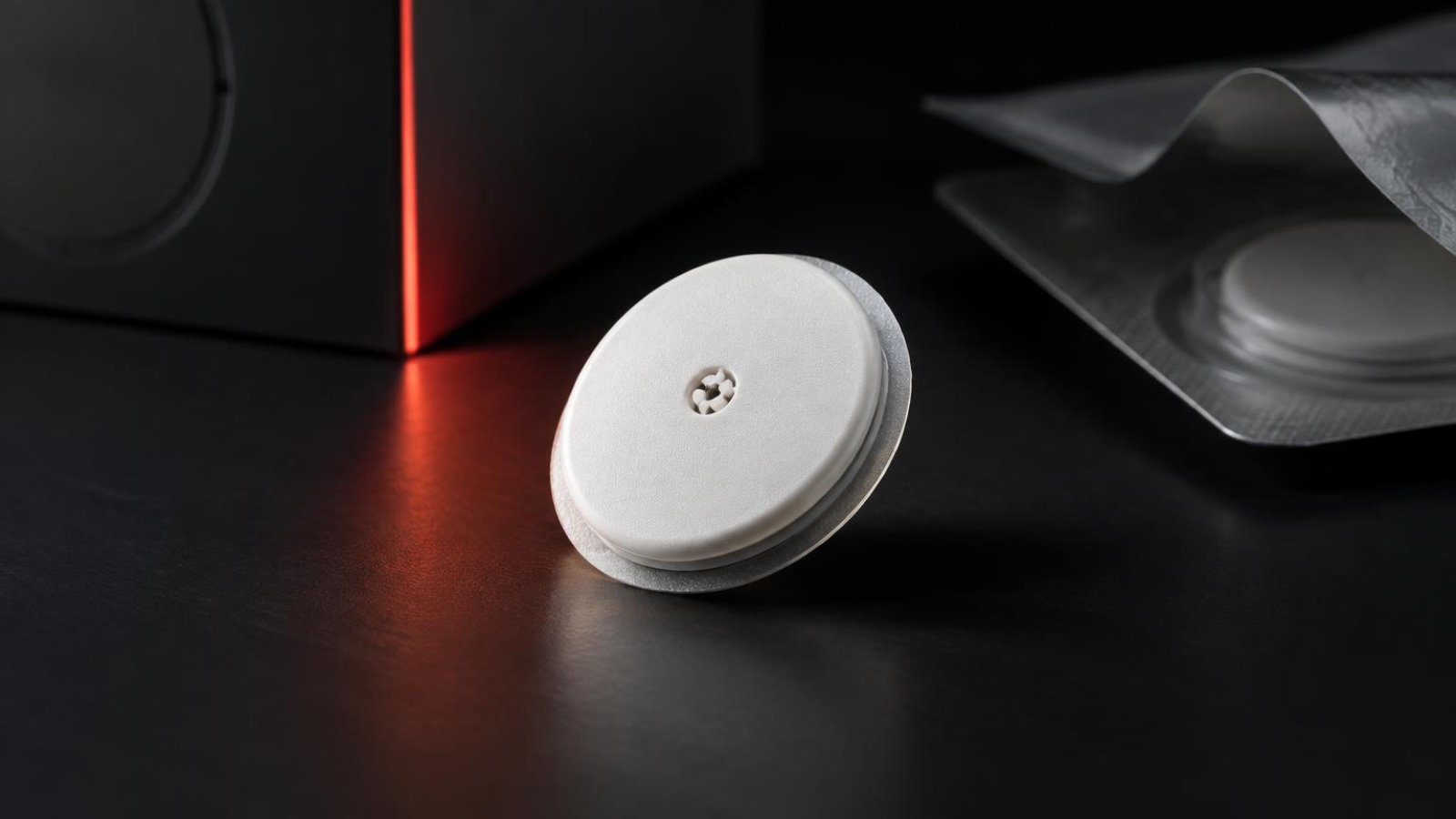
A small sensor on the back of your arm, a graph on your phone that spikes after lunch, a wave of anxiety about the banana you just ate. This is the continuous glucose monitor (CGM) experience, and increasingly it belongs to people who do not have diabetes. What started as a tool for managing a serious chronic condition has become a wellness accessory, sold with the promise that watching your blood sugar in real time will make you leaner, sharper, and less tired by 3 p.m.
The devices are real and the readings are real. Whether the insight is worth the price tag, the skin adhesive, and the low-grade obsession it can induce is a separate question, and it's the one worth actually answering.
What's Actually Real Here
A CGM is a small sensor, usually worn on the upper arm, that measures glucose in the fluid just under the skin and reports readings automatically all day and night (the FDA says the Dexcom Stelo shows measurements and trends every 15 minutes). For people with diabetes, especially type 1, this is a genuine clinical advance: it replaces or supplements finger-stick testing and gives patients and doctors a continuous picture of how insulin, food, exercise, and stress move blood sugar, which helps prevent dangerous highs and lows. That clinical case is well established.
There is also a kernel of legitimate physiology behind the wellness pitch. A well-known 2015 study in Cell followed 800 people across nearly 47,000 meals and found high variability in glucose responses to identical meals. In principle, seeing your own data could nudge you toward foods and habits that suit you better than generic diet advice. But the researchers' prediction model drew on blood tests, diet, activity, body measurements and gut bacteria, not just a glucose trace, and showing that responses differ is not the same as showing that acting on them improves long-term health.
The pitch, pushed by wellness influencers and a growing crop of consumer glucose startups, goes roughly like this: glucose "spikes" after certain foods are bad for energy, weight, mood and long-term metabolic health, and a CGM lets you see and avoid your personal spikes. That pitch is what the evidence has not caught up with.
Where the Hype Outruns the Reality
The newest reviews say proof is missing. A 2026 narrative review in JAMA Internal Medicine, summarized by the University of Gothenburg, concluded there is no scientific evidence that CGM improves health or prevents disease in people without diabetes. It did find some value in type 2 diabetes (modest HbA1c reductions and simpler treatment adjustment) and for people at high risk of low blood sugar, and it warned that normal fluctuations can easily be over-interpreted, leading to unnecessary dietary restrictions or anxiety. A 2025 systematic review of 32 studies in Sensors was more optimistic about potential, arguing that tracking glucose variability could one day support cardiovascular prevention in healthy people, but its authors wrote that scientific proof is lacking and that outcome studies are needed.
"Normal" is wider than the marketing suggests. A rise in blood sugar after eating is normal physiology, not a warning sign. A 2022 review in Sensors describes a multicenter study of 153 healthy adults (Shah et al., 2019) in which average 24-hour glucose was about 99 mg/dL and people spent roughly 96% of the time between 70 and 140 mg/dL. Even so, brief excursions were part of normal life: on average about 15 minutes a day below 70 and about 30 minutes a day above 140. The review notes that how much these dynamics matter for healthy people is still widely unknown. Consumer marketing that treats any excursion as a problem is going further than that.
Accuracy caveats. Consumer CGMs measure fluid under the skin rather than blood directly, which can introduce lag and noise, particularly around a single meal rather than long-term trends.
The psychological cost. The Gothenburg summary flags anxiety and unnecessary restrictions as a risk of over-interpretation. Abbott advises people with an eating disorder or a history of one to consult a healthcare professional before using its Lingo device, and a live graph is not for everyone.
What the FDA Clearances Do and Don't Say
The first over-the-counter CGM, Dexcom's Stelo, was cleared on March 5, 2024 for adults 18 and over who do not use insulin. The FDA noted it is not intended for people with problematic low blood sugar, since it lacks low-glucose alerts, and that users should not make medical decisions based only on the device's readings without talking to a healthcare provider. Abbott's Lingo, cleared in June 2024, is likewise aimed at adults 18 and over who are not on insulin and is worn on the upper arm for up to 14 days. Abbott says it is not intended to diagnose disease, including diabetes. In Abbott's clearance data, 77.1% of sensors lasted the full 14 days, so some people will need replacements sooner than planned. FDA clearance concerns the device's intended use; it is not proof that the wellness benefits are real.
A Sensible Checklist Before You Buy
- Ask what decision the data would change. If you would not change how you eat, sleep or move based on it, the sensor is a gadget, not a tool.
- Think twice if food is already a source of stress. A live graph can feed anxiety.
- Treat single spikes cautiously. Trends over days say more than one lunch.
- Worried about your risk of diabetes? A clinician can arrange standard tests, which is a better route than inferring it from a consumer app.
- Check current pricing and sensor life for the brand you are considering, since both vary and change.
This article is general information, not medical advice. Talk to a qualified healthcare professional about your own health.
FAQ
Is a CGM useful if I don't have diabetes?
It can show you real data about how your body responds to different foods, which some people find interesting or motivating. But a 2026 review found no scientific evidence that it improves health or prevents disease in people without diabetes, and normal post-meal glucose rises aren't inherently something to fix. If you have concerns about your metabolic health, that's a conversation for a doctor, not a sensor.
Are over-the-counter CGMs accurate?
They're FDA-cleared and generally reliable for trends, but they measure fluid under the skin rather than blood directly, which can introduce lag and some noise. That is worth knowing before you treat any single spike as a verdict on a single meal.
Should I get one just to see what happens?
That's a personal call, not a medical recommendation; this article is about the trend, not your individual health. If you're curious, go in expecting interesting data rather than a diagnosis, and if the numbers start driving anxiety rather than curiosity, that's worth mentioning to a doctor.
Hype-o-meter: Too Soon to Tell
CGMs measure something real, and over-the-counter availability has made them easy to try. But the evidence that people without diabetes benefit from wearing one is still missing rather than disproven, while the risk of over-interpreting normal biology is already flagged by researchers. The category needs outcome studies before it earns a firmer verdict either way.
Sources
- No evidence that continuous glucose monitors improve health in people without diabetes (University of Gothenburg summary of the 2026 JAMA Internal Medicine review)
- Non-Invasive Continuous Glucose Monitoring in Patients Without Diabetes: Use in Cardiovascular Prevention, A Systematic Review (Sensors, 2025)
- Continuous Glucose Monitoring in Healthy Adults: Possible Applications in Health Care, Wellness, and Sports (Sensors, 2022)
- Personalized Nutrition by Prediction of Glycemic Responses (Cell, 2015)
- FDA Clears First Over-the-Counter Continuous Glucose Monitor (U.S. FDA, March 2024)
- Abbott Receives U.S. FDA Clearance for Two New Over-the-Counter Continuous Glucose Monitoring Systems (Abbott press release, June 2024)
Keep reading
Related articles

Weight-Loss Pills in 2026: Do GLP-1 Tablets Live Up to the Hype?
The Wegovy pill and Lilly's Foundayo have made GLP-1s a daily tablet. They work, but not quite like the injections. Here's the honest picture.
8 min read

Europe's Social Sauna Boom: What the Science Actually Says
Community saunas are popping up from London to Copenhagen. The heat has promising but observational evidence behind it; the cold plunge and the bigger claims, less so.
6 min read

'Nature's Ozempic' Supplements: A Level-Headed Hype Check
Berberine, fibre powders and 'natural GLP-1' supplements promise weight loss without the injection. Here's what's real and what's wishful thinking.
6 min read

Creatine for Everyone in 2026? An Honest Hype Check
Creatine went from gym staple to everyday supplement the whole internet recommends. Here's what it does, what it doesn't, and who it's really for.
6 min read