The Inflammation Trend: Real Science vs. Wellness Marketing
'Anti-inflammatory' is on everything in 2026. We separate what the science actually says from what the labels want you to believe.
Published · Updated
Reviewed by the HypeGale Content Team. This article is for information only and is not medical advice. Talk to a qualified professional about your own situation.
HypeGale may earn a commission from links on this page or show paid ads. It never changes our verdicts. How we work
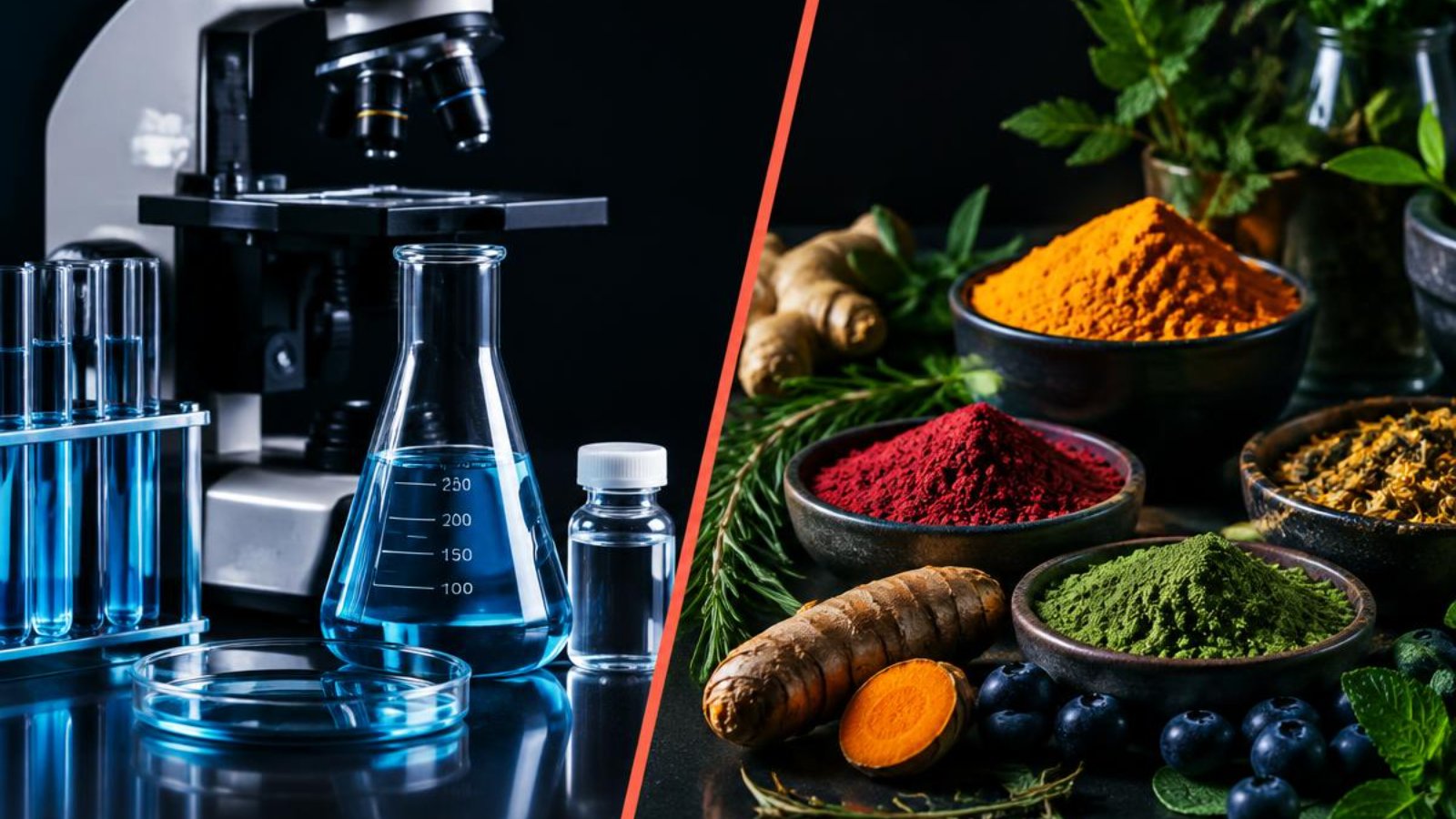
One word is doing an enormous amount of work in 2026. It's on supplement bottles, tea boxes, skincare, protein powders and a great many wellness videos: inflammation. It's blamed for tiredness, weight, mood, skin and aging, and conveniently there's always something to buy that claims to fix it.
So let's do the thing HypeGale exists to do. Peel the word off the packaging and ask what's actually supported by the evidence.
What's Actually Real Here
Start here, because the foundation is legitimate: chronic, low-grade inflammation is a genuine area of medical research, and scientists take it seriously.
Your body's inflammatory response is a normal, healthy defense. It's how you fight infection and heal injury. The concern is when that response stays quietly switched on over months and years. A widely cited 2019 review in Nature Medicine (Furman and colleagues) describes systemic chronic inflammation as something that infections, physical inactivity, poor diet, environmental toxicants and psychological stress can promote, and links it to conditions such as cardiovascular disease, cancer and diabetes. Harvard Health puts it more plainly: stress, lack of sleep, overeating, obesity and being sedentary can all contribute to inflammation.
That's the kernel of truth the entire trend is built on. It's real, which is exactly why it sells so well.
Notice what that definition is not. It is not a vague feeling of being "puffy" or tired, and it is not something you can diagnose from a social media symptom list. Persistent pain, swelling or other symptoms are worth taking to a clinician rather than to a supplement aisle.
Where the Hype Outruns the Reality
The problem is the leap. "Inflammation matters" quietly becomes "buy this $60 powder to fix your inflammation," and the evidence does not support that jump.
Turmeric and curcumin. The US National Center for Complementary and Integrative Health (NCCIH) says the initial evidence for oral turmeric or curcumin on knee osteoarthritis pain and stiffness is positive, but that higher-quality evidence is needed. It also notes that products vary in how much curcumin they actually contain, and that liver damage has been reported in some people taking bioavailable formulations. "Natural" is not the same as "risk-free."
Omega-3 supplements. The NIH Office of Dietary Supplements says it is difficult to tell whether the benefits linked to eating seafood come from omega-3s themselves or from other components of seafood, or from the less healthful foods it replaces. It notes that the American Heart Association recommends one to two servings of seafood a week but does not recommend omega-3 supplements for people without high cardiovascular risk. High doses carry cautions too: 2 to 15 g a day of EPA and/or DHA might increase bleeding time, and 4 g a day for several years slightly increased atrial fibrillation risk in people with cardiovascular disease or at high risk of it.
"Anti-inflammatory" as a label. In the US, the FDA does not approve dietary supplements before they are marketed. Companies may make "structure/function" claims without FDA pre-approval, as long as the label carries the disclaimer that the statement has not been evaluated by the FDA and the product is not intended to diagnose, treat, cure or prevent any disease. That is how a phrase like "supports a healthy inflammatory response" can sit on a bottle without proof that the product does anything measurable for you.
Vague symptoms as the hook. Tiredness, bloating, brain fog and low mood are broad enough that almost anyone will nod along, which makes them perfect marketing bait. The pattern is consistent: take a real mechanism, attach it to universal symptoms, and sell a specific product as the answer.
Even the "free fundamentals" are less clear-cut than headlines suggest. Harvard Health describes the plant-rich Mediterranean diet as linked with lower rates of inflammatory diseases. But a 2018 systematic review of 11 studies in people with coronary heart disease found mixed results: observational studies showed inverse associations with inflammatory markers, while the controlled trials mostly showed non-significant changes in C-reactive protein. That doesn't make healthy habits pointless, since they matter for many reasons beyond one blood marker, but it is a reminder to be wary of anyone promising a specific number.
What to Do Instead
Here's the part the powders bury, because you can't put it in a bottle: the habits most consistently linked to lower inflammation are mostly free.
Regular sleep. Consistent movement. Managing stress. A diet that leans on whole foods, fiber, fruit and vegetables, and less ultra-processed food. Not smoking. These are unglamorous, they don't fit in a 15-second clip, and they matter for your health well beyond any single inflammation marker.
If a specific supplement genuinely helps you on top of those basics, fine. A quick checklist before you buy:
- Look for the fine-print disclaimer. If it's there, the headline claim has not been reviewed by the FDA.
- Ask what exactly was tested: the same ingredient, dose and form as the product in your hand?
- Be cautious if you take regular medication or have a medical condition, and ask a pharmacist or clinician first.
- Don't swap a supplement for medical care if you have a diagnosed inflammatory condition.
For a close cousin of this trend, see our hype check on "nature's Ozempic" supplements, and the wider roundup in what's creating the hype right now.
This article is general information, not medical advice. For anything specific to your health, talk to a qualified healthcare professional.
FAQ
Is chronic inflammation actually real?
Yes. Persistent low-grade inflammation is a legitimate area of medical research, and lifestyle factors such as sleep, stress, diet and activity are linked to it. The exaggeration is in the products claiming to "fix" it.
Do anti-inflammatory supplements work?
Some ingredients have modest or early evidence behind them, for example turmeric for knee osteoarthritis pain, but none act as a reset switch, and some carry safety cautions. Talk to a clinician or pharmacist before starting one.
What's the most effective way to reduce inflammation?
There's no single proven fix. The healthy basics (sleep, movement, stress management, a whole-food-leaning diet, not smoking) are the sensible place to start, though trials on specific inflammatory markers are mixed.
Is "anti-inflammatory" a regulated claim?
Not in the way a drug claim is. In the US, supplement makers can make structure/function claims without FDA pre-approval if they include the standard disclaimer, so treat the phrase as marketing rather than proof of a specific effect.
Hype-o-meter: Overhyped
Chronic inflammation is a real thing worth caring about, but the wave of "anti-inflammatory" products riding that fact is mostly ordinary ingredients wearing bigger promises than the evidence allows. Spend your effort on the free fundamentals first, and treat the products as optional extras, not solutions.
Sources
- Chronic inflammation in the etiology of disease across the life span (Nature Medicine, 2019)
- Top anti-inflammatory foods: How your diet can reduce chronic inflammation (Harvard Health Publishing)
- Turmeric: Usefulness and Safety (NCCIH, NIH)
- Omega-3 Fatty Acids: Health Professional Fact Sheet (NIH Office of Dietary Supplements)
- Mediterranean-type diets and inflammatory markers in patients with coronary heart disease: a systematic review and meta-analysis (Nutrition Research, 2018; University of Limerick record)
- Questions and Answers on Dietary Supplements (U.S. FDA)
Keep reading
Related articles

Weight-Loss Pills in 2026: Do GLP-1 Tablets Live Up to the Hype?
The Wegovy pill and Lilly's Foundayo have made GLP-1s a daily tablet. They work, but not quite like the injections. Here's the honest picture.
8 min read

Europe's Social Sauna Boom: What the Science Actually Says
Community saunas are popping up from London to Copenhagen. The heat has promising but observational evidence behind it; the cold plunge and the bigger claims, less so.
6 min read

Do Non-Diabetics Need a Glucose Monitor?
CGMs are now sold over the counter to adults who don't use insulin. Here's what the science says about tracking glucose without diabetes.
6 min read
'Nature's Ozempic' Supplements: A Level-Headed Hype Check
Berberine, fibre powders and 'natural GLP-1' supplements promise weight loss without the injection. Here's what's real and what's wishful thinking.
6 min read