iPhone Duo and the Foldable Boom: Worth the Hype in 2026?
Apple's first foldable costs $1,999 and ships October 23. Here's what's real about the foldable boom, and what you should wait to find out.
Published · Updated
HypeGale may earn a commission from links on this page or show paid ads. It never changes our verdicts. How we work
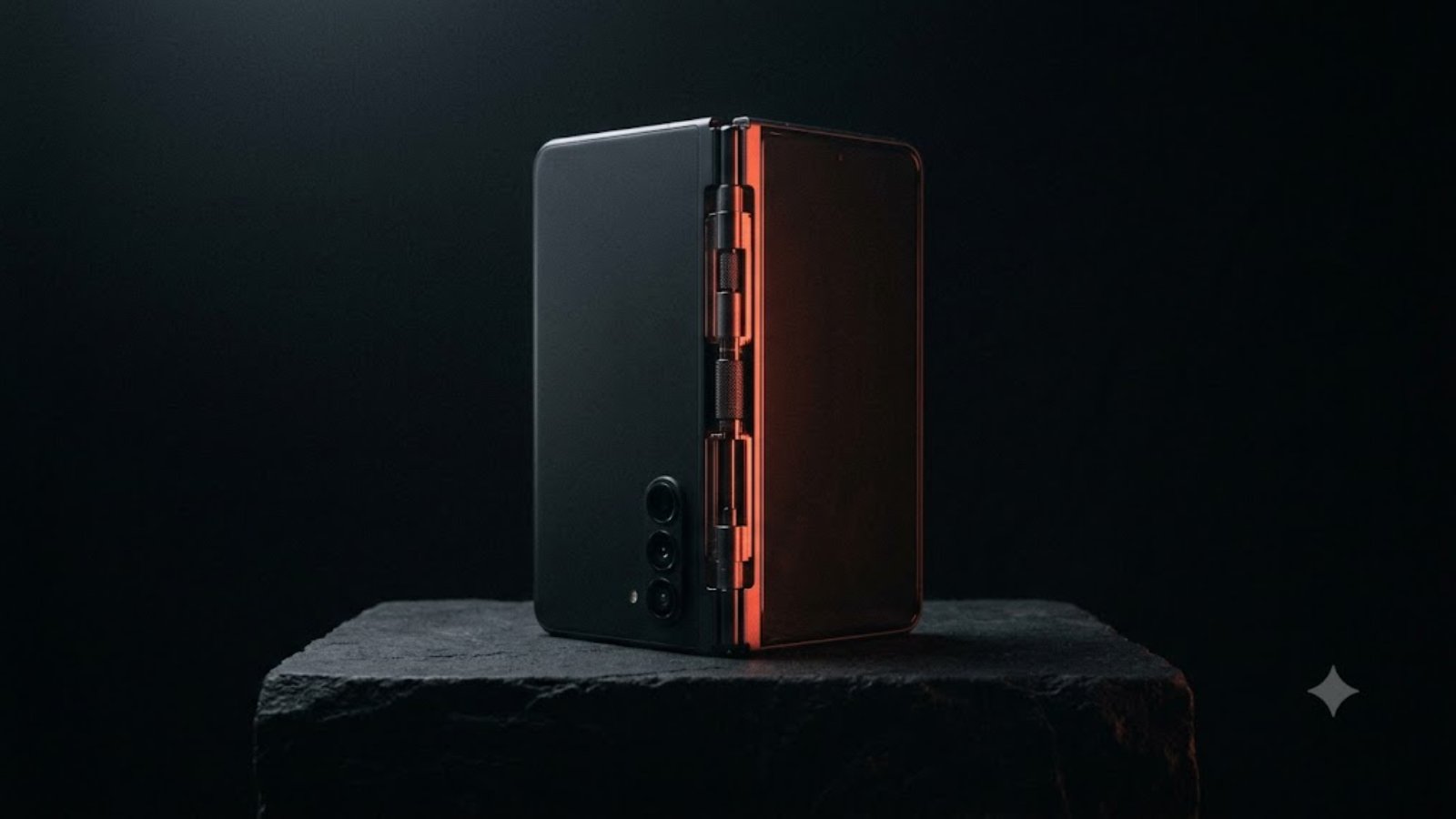
Short answer: Apple's iPhone Duo could be the moment foldables move from science project to mainstream product, and Apple's entry will likely pull the whole category forward. But at $1,999, with no one having lived with one yet, the smart move for most people is to wait for real-world durability reports before paying first-generation prices.
For years, foldable phones were the gadget world's "next year" technology: impressive in demos, niche in shops. Samsung kept iterating, Huawei kept pushing, and most people kept buying slabs. Then, on September 9, 2026, Apple announced the iPhone Duo, and the conversation changed. Suddenly the question isn't "will foldables ever matter?" but "should I buy one now?" HypeGale doesn't test phones ourselves, so this verdict rests on Apple's published specs, analyst forecasts and early coverage.
What's Actually Real Here
The facts, as announced at Apple's September event:
- Name and price: iPhone Duo, from $1,999 / £1,999 for 256GB. US prices for higher tiers are $2,199 (512GB), $2,599 (1TB) and $3,199 (2TB), according to MacRumors.
- Dates: pre-orders open October 16 at 5 a.m. Pacific, with availability from October 23, 2026 in the US and more than 70 countries, and 28 more countries and regions on October 30.
- Design: a book-style foldable with a 5.4-inch outer screen and a 7.6-inch inner screen, both with ProMotion up to 120Hz, according to Macworld.
- Build: a Grade 5 titanium frame, IP68 dust and water resistance, about 254g, and 11.3mm thick when closed (Macworld).
- Chip and software: the A20 Pro, billed as Apple's first 2nm smartphone processor, and iOS 27.1 (MacRumors).
- Biometrics: Touch ID in the side button rather than Face ID (Apple, Macworld).
- Battery: Apple quotes up to 24 hours per charge with equal use of both displays. Those are Apple's figures, not independent test results.
- The crease: Apple says the inner display's nano-texture finish "minimizes crease visibility". Minimized is not eliminated.
It works with a $79 USB-C Apple Pencil, which tells you Apple sees it as a small tablet that fits in a pocket, not just a phone that opens.
Apple's entry changes the market math. TrendForce expects the iPhone Duo to take 24.8% of foldable shipments in 2026, around 5 million units, behind Samsung at 35.1% and level with Huawei. Counterpoint Research expects Apple to sell about 6 million units in 2026, and forecasts the foldable category growing about 12.6% in 2026 and 18% in 2027, while overall smartphone shipments are projected to decline 16.7% in 2026. Forecasts are not sales, but they show how the industry reads Apple's move.
That matters even if you never buy an iPhone. When Apple enters a category, app developers tend to take the form factor seriously, and foldable-optimized apps have been a weak spot for years.
The competition is genuinely good now. Samsung's Galaxy Z Fold 8 launched on August 7 at $1,899.99 (£1,699 in the UK), and TechRadar's review called it "a shot in the arm for the foldables market." At about 201g, it is lighter than the iPhone Duo.
Where the Hype Outruns the Reality
Nobody has lived with one yet. Durability is the question that has dogged every first-generation foldable: hinges, screen protectors peeling, dust getting in, creases getting worse. Counterpoint lists durability, crease visibility, hinge reliability, thickness, weight and battery life as the category's open challenges. Apple executives say they are proud of the Duo's hinge durability, but Engadget notes that early hands-on impressions only capture a device fresh from the box, and that foldable creases tend to become more visible with use. Apple has not shipped a folding screen at scale before, and the first few months of real use will tell you more than any launch video.
It's heavy and thick for a phone. At 254g and 11.3mm closed, the iPhone Duo is about 53g heavier than Samsung's Fold 8. If your phone lives in a jeans pocket, that's worth holding in your hand before you buy.
The price is a stretch. Counterpoint's research director called $1,999 "a pretty bold move" for a first-generation foldable. It is about $100 more than Samsung's Fold 8 in the US, and £300 more in the UK, so you're paying a premium for the Apple ecosystem and for being early.
Repair costs are an open question. We couldn't verify repair pricing for the Duo. Folding displays are widely considered costly to replace, so look at coverage options before you buy, and factor them into the true cost of ownership.
Supply may be tight. Coverage linked from MacRumors points to reports of production issues, so stock may be limited at launch.
Who Should Actually Buy One
- Buy early if: you already carry an iPhone and an iPad mini or small tablet, you read, sketch or edit on the go, and you're comfortable paying extra to be first.
- Wait if: you mainly text, scroll and take photos. A regular flagship does all of that for less, with less to break.
- Consider Samsung if: you want a foldable now, value lighter weight, and are happy on Android. Samsung is on its eighth generation of Fold phones, so its hinge and crease designs have a longer real-world track record.
A quick checklist before you pre-order:
- Hold one in a store first if you can: weight and thickness matter more than the spec sheet suggests.
- Check the return window and any trade-in terms before pre-ordering on October 16.
- Read the first real-world durability reports after October 23 before committing, especially on the crease and hinge.
- Price coverage alongside the phone.
If you're into smart gadgets more broadly, our take on AI smart glasses and AI wearables looks at the same question: when does a new form factor become worth buying?
FAQ
When can I buy the iPhone Duo?
Pre-orders open on October 16, 2026 and the phone is available from October 23 in the US and more than 70 countries, with 28 more countries and regions following on October 30.
How much does the iPhone Duo cost?
It starts at $1,999 (or £1,999 in the UK) for 256GB. In the US, 512GB is $2,199, 1TB is $2,599 and 2TB is $3,199.
Is the iPhone Duo better than the Galaxy Z Fold 8?
On paper they're close: similar inner-screen sizes, both IP-rated, both premium. The Fold 8 is lighter and cheaper; the Duo has Apple's chip and ecosystem. Wait for side-by-side durability testing before deciding.
Will foldable phones get cheaper?
Often prices fall as a category matures and panel supply improves, and Apple's volumes could help the supply chain, but there's no guarantee. Second-generation models are frequently the sweet spot.
Hype-o-meter: Too Soon to Tell
Apple's entry makes foldables a bigger category, and the analyst numbers back that up. But the iPhone Duo hasn't reached a single customer yet, and first-generation durability is exactly the thing launch events can't prove. Check back after the first few months of real-world use.
Sources
- MacRumors: Everything Apple announced at the September 2026 event
- MacRumors: iPhone Duo pre-orders and release date
- Apple Newsroom: Apple unveils iPhone Duo
- Macworld: iPhone Duo guide, price, specs and release date
- TrendForce: iPhone Duo expected to capture nearly 25% of foldable shipments
- The National: Apple expected to sell 6 million iPhone Duo units (Counterpoint)
- Engadget: Why we won't know how visible the iPhone Duo's crease is for a long time
- TechRadar: Samsung Galaxy Z Fold 8 review
Keep reading
Related articles
Vibe Coding and Web Hosting: Do You Still Need a Host in 2026?
AI app builders publish your site for you, so web hosting can look optional. It isn't, quite. Here is what built-in hosting covers and where it stops.
6 min read
Office 2021 Support Has Ended: Do You Really Need to Upgrade?
Office 2021 lost security updates on October 13, 2026. Here's what's actually at risk, and the free and paid ways to replace it without overspending.
5 min read
5G in Germany in 2026: Hype vs What Your Phone Actually Gets
Germany's 5G coverage is real and Telekom leads, but cheap plans often cap speed at 25 or 50 Mbit/s. Here is what to check before you choose.
6 min read

New iPhone: Carrier Deal vs Unlocked Plus a Cheap Plan, Which Saves More?
Carrier 'free iPhone' trade-in deals look tempting every September. We run the real math against buying unlocked and pairing it with a budget plan.
7 min read