AI Smart Glasses in 2026: Worth the Hype?
Meta, Google, and Samsung are all in on AI smart glasses now. We look at what they actually do well, where they fall short, and whether the hype holds up.
Published · Updated
HypeGale may earn a commission from links on this page or show paid ads. It never changes our verdicts. How we work
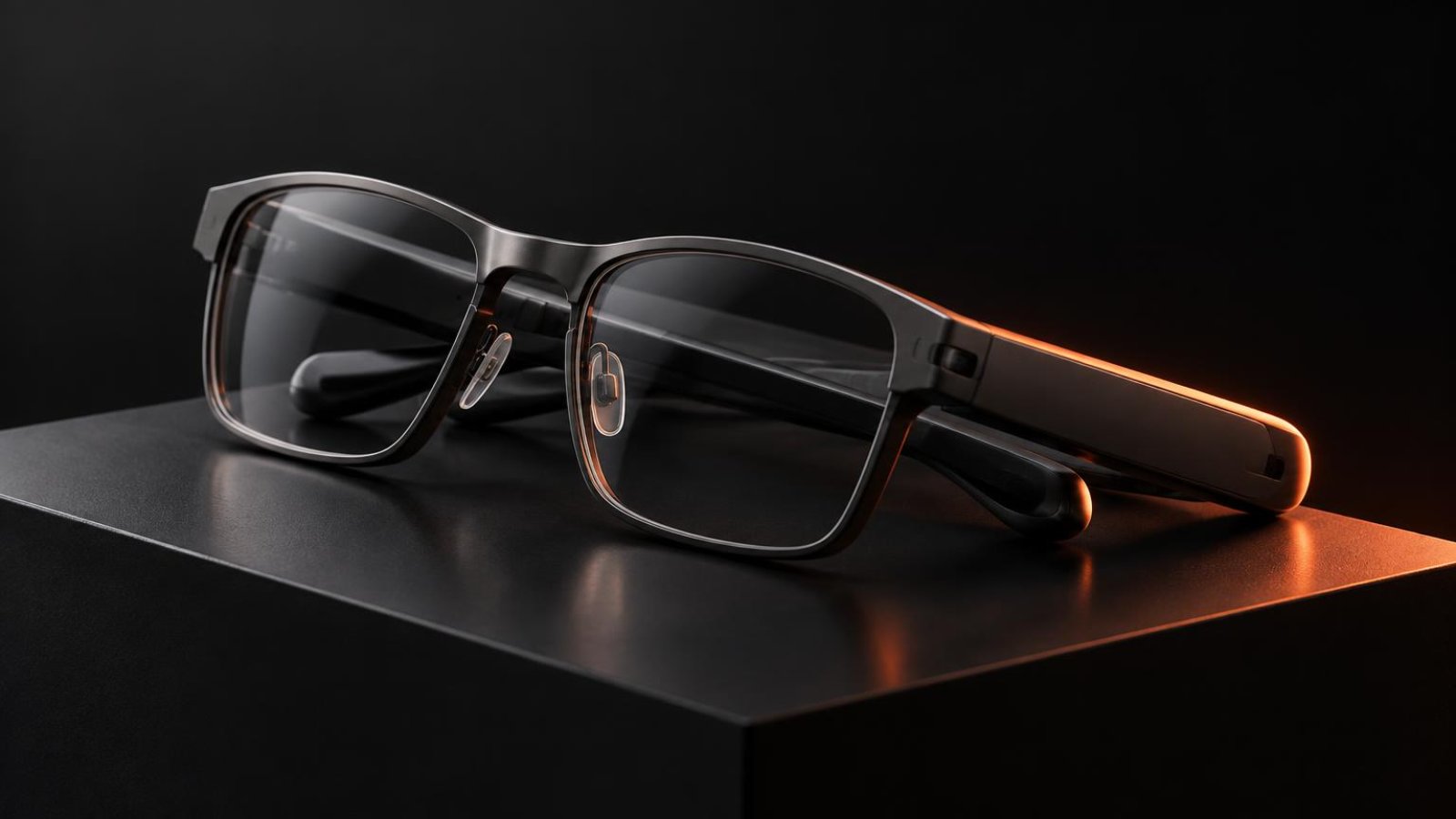
For a few years, smart glasses were the tech industry's running joke, with Google Glass's ghost hovering over every launch event as a reminder of how badly this category could go. That joke has mostly stopped landing. Meta's Ray-Ban partnership has become one of the more successful wearable product lines in years, and Google and Samsung are readying their own first glasses for November 2026. The category has a real product-market fit story for the first time. The question is whether "real fit" means "actually good," or just "good enough to sell."
HypeGale doesn't test products itself, so this verdict rests on sales data, published specs and reporting from outlets that have used the devices.
What's Actually Real Here
Start with the numbers, because they're the strongest evidence the hype has something behind it. EssilorLuxottica, the company behind Ray-Ban and Oakley, said it sold more than 7 million Ray-Ban and Oakley smart glasses in 2025, more than triple the 2024 figure, according to UploadVR's report of its Q4 2025 results. That's not a niche gadget selling only to early adopters. It's a mainstream accessory people are buying because they like wearing it.
The reason is simple: the base Ray-Ban Meta glasses look like normal sunglasses. They take photos and short videos hands-free, play audio through open-ear speakers, and let you talk to a voice assistant that can identify what you're looking at or answer questions. None of it is groundbreaking on its own, since your phone can do most of it, but doing it without pulling a phone out of your pocket is a genuine convenience, and convenience is what actually drives adoption.
The more interesting shift in 2026 is the move toward glasses with an actual display. Meta's Ray-Ban Display launched at $799, sold with the Neural Band wristband for gesture control. According to Road to VR, it puts a full-color display in the right lens only (600 x 600 pixels, a 20-degree field of view), with up to six hours of mixed use and up to 30 hours with the case. That's a small glanceable overlay, not a full augmented-reality view. Meta announced at Connect in September 2026 that the Display is expanding beyond the US, at £749 in the UK, CA$1,149 in Canada and €899 in Germany, France and Italy, according to Engadget.
Here's a snapshot of the main options as announced (prices and availability change, so check current listings):
- Ray-Ban Meta Gen 3: from $449 in the US, with 9 hours of battery, a 12MP camera and 3K video, per Engadget's Connect 2026 coverage. It follows the Gen 2, which launched at $379 with up to 8 hours per charge and a case adding up to 48 hours (GSMArena).
- Meta Ray-Ban Display: $799 in the US, as above.
- Android XR glasses: Google and Samsung, with Warby Parker and Gentle Monster on frame design. A Korea Herald report relayed by 9to5Google on 1 October 2026 cites a Samsung official saying the first models arrive in November 2026, as display-less glasses with cameras. No price had been disclosed in that report.
Where the Hype Outruns the Reality
The marketing language around these products ("your AI companion," "see the world differently") implies something closer to augmented reality than what you actually get. Most smart glasses today are voice assistants and cameras bolted to eyewear, not the sci-fi heads-up display of a movie. That's a legitimate, useful product. It is not what a lot of the hype implies.
Battery life remains the unglamorous limiting factor. The quoted figures are best-case: up to 9 hours for the Gen 3 and about 6 hours of mixed use for the Display. That's less than a full day with heavy use, so this is a wearable you have to think about charging, which puts it in a different category from the sunglasses or watch it's trying to replace.
Prescriptions are a catch. The Display supports prescriptions from -4 to +4 (up to 4 dioptres of cylinder), but the lenses are bonded to the display lens at manufacture, so aftermarket lenses aren't an option. UploadVR reported at launch a $200 bonding fee, taking glasses and wristband to about $1,000, and a wait of 5 to 8 weeks. Check current terms if you wear glasses.
Privacy is the most legitimate criticism in the category, and it isn't going away. Meta's glasses have a recording light, but concerns that it can be covered or tampered with have been widespread. According to PetaPixel's September 2026 report, Meta said it had disabled the cameras on thousands of tampered pairs (which it put at fewer than 0.1% of users) and had pushed an update so the camera stops working if the light is covered during recording. A Meta executive described it as "a little bit of a cat-and-mouse game." Those are Meta's claims, not independent test results.
Venues are drawing lines too. On 12 August 2026, courts and tribunals in England and Wales banned Meta glasses, with security staff holding them at the door, TechRepublic reported, following a similar restriction from New York's court system the month before. TechRepublic also described a broader pushback from venues, from pubs to theaters.
Social acceptance is the other quiet obstacle. Wearing anything that could be recording changes how people around you behave, whether or not you're actually recording. That friction doesn't show up in sales figures, but it shows up in how people react in a room.
Which One, and When to Wait
A short checklist before buying:
- Decide whether you need a display. If you only want photos, music and a voice assistant, a camera-only model covers it. The Display adds a glanceable overlay, with a price and battery trade-off.
- Match battery to your day. Plan to top up from the case, and treat quoted hours as ceilings.
- Sort out lenses first. If you wear glasses, get the prescription route and the lead time clear before paying.
- Think about wait-and-see. Samsung's first Android XR glasses were reported for November, so if you can hold off, the choice may widen soon.
- Respect other people. Don't record in private spaces, courts, changing rooms or anywhere that bans it, and tell people you're recording if it isn't obvious.
For the wider gadget picture, see AI wearables in 2026.
FAQ
Do AI smart glasses replace my phone?
No. They're a hands-free accessory for quick tasks such as photos, voice queries, notifications and navigation, not a phone replacement. You'll still reach for your phone for anything more than a glance.
Are the camera and recording light a real privacy safeguard?
Only partially. The indicator light exists and Meta says it has added a software check that stops the camera if the light is covered, but that is Meta's own claim, and bystanders still can't easily tell when they're being recorded. Many venues and courts now restrict the glasses.
Should I wait for the Google or Samsung versions instead of buying now?
If you want an alternative to Meta and don't need glasses today, waiting is reasonable. Samsung's first Android XR glasses were reported for November 2026 as display-less models, with no price announced at the time of that report. If you just want hands-free photos and a voice assistant, the camera-only models are mature enough to buy now.
Can I get prescription lenses?
Yes for most models, but the route varies. The Ray-Ban Display supports prescriptions from -4 to +4 through bonded lenses at the point of purchase, per UploadVR. Check lead times before you order.
Hype-o-meter: Earns It
The camera-and-voice-assistant category has crossed from novelty into a real, sizable consumer product, with millions of pairs sold in 2025, which is the bar hype usually fails to clear. But it earns it as a modest convenience gadget, not the AI-vision revolution the marketing suggests, and the privacy trade-offs around always-on cameras are a real cost that has been managed, not solved.
Sources
- Meta and EssilorLuxottica sold 7 million smart glasses in 2025 (UploadVR): sales figures from EssilorLuxottica's Q4 2025 results
- Meta Unveils Ray-Ban Smart Glasses with Display, Launching for $800 (Road to VR): display, battery, Neural Band and prescription specs
- Meta unveils Ray-Ban Display and Ray-Ban Meta (Gen 2) (GSMArena): Gen 2 price, battery and video specs
- Everything announced at Meta Connect 2026 (Engadget, September 2026): Gen 3 and international Display pricing
- Meta Ray-Ban Display glasses prescription support (UploadVR, October 2025): prescription range, bonding fee and lead time
- Samsung reportedly confirms November launch for first Android XR glasses (9to5Google, October 2026): timing and display-less design
- Meta claims to have bricked thousands of smart glasses (PetaPixel, September 2026): tampered recording lights and Meta's response
- England and Wales courts ban Meta smart glasses over recording risks (TechRepublic, August 2026): HMCTS policy
Keep reading
Related articles
Vibe Coding and Web Hosting: Do You Still Need a Host in 2026?
AI app builders publish your site for you, so web hosting can look optional. It isn't, quite. Here is what built-in hosting covers and where it stops.
6 min read
Office 2021 Support Has Ended: Do You Really Need to Upgrade?
Office 2021 lost security updates on October 13, 2026. Here's what's actually at risk, and the free and paid ways to replace it without overspending.
5 min read
5G in Germany in 2026: Hype vs What Your Phone Actually Gets
Germany's 5G coverage is real and Telekom leads, but cheap plans often cap speed at 25 or 50 Mbit/s. Here is what to check before you choose.
6 min read

New iPhone: Carrier Deal vs Unlocked Plus a Cheap Plan, Which Saves More?
Carrier 'free iPhone' trade-in deals look tempting every September. We run the real math against buying unlocked and pairing it with a budget plan.
7 min read