Replaceable Phone Batteries in Europe: Is the 2027 Rule Overhyped?
Headlines promised pop-out phone batteries in Europe from 2027. The small print says most flagships won't change. Here's what you actually get.
Published · Updated
HypeGale may earn a commission from links on this page or show paid ads. It never changes our verdicts. How we work
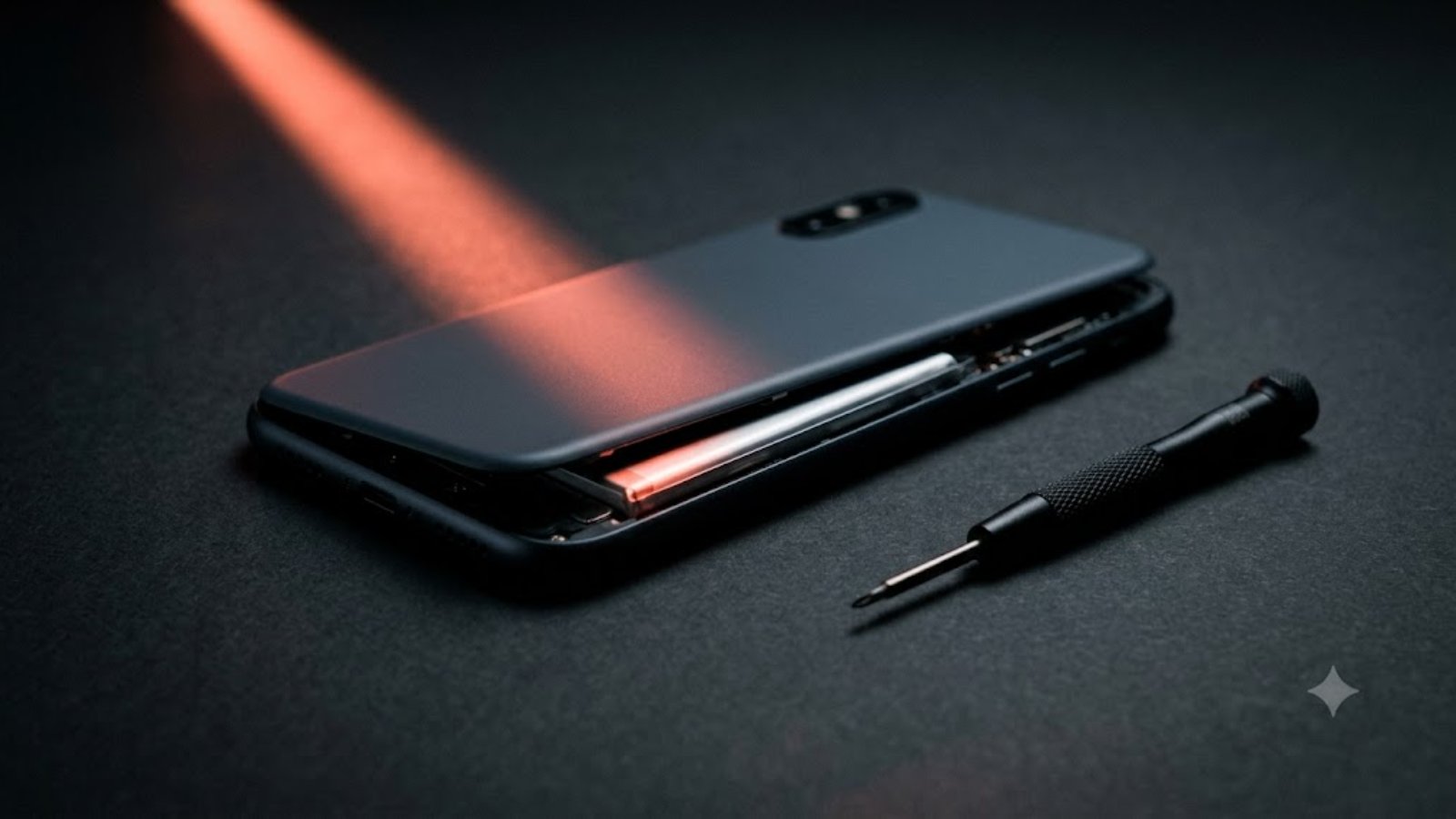
Short answer: The EU really is forcing phones to last longer and be easier to repair, and the repairability label you now see in shops is a genuine step forward. But the idea that every phone sold in Europe will have a battery you can pop out yourself from 2027 is overhyped. The smartphone rules already contain an exemption for durable, water-resistant phones, and many current flagships reportedly meet it.
If you've read a tech headline in the past year, you've probably seen some version of "the EU is bringing back removable phone batteries". It's a lovely idea: no more replacing a whole phone because the battery barely lasts until lunch. The reality is more modest, and more complicated. HypeGale doesn't test phones, so this is a read of the legal texts and reporting on them.
What's Actually Real Here
There are two separate pieces of EU law behind the hype, and they do different things.
1. The smartphone and tablet ecodesign and energy label rules, in force since 20 June 2025. According to the European Commission, every new smartphone and tablet sold in the EU must now:
- survive at least 800 full charge cycles while keeping 80% of its battery capacity;
- meet tougher standards for resistance to drops, scratches, dust and water;
- have key spare parts available for at least 7 years after the model stops being sold, delivered within 5 to 10 working days;
- get operating system updates for at least 5 years after the last unit is sold;
- carry an EU energy label showing a repairability class from A to E, plus battery endurance and drop resistance.
You can look up a phone's label in the EU's public EPREL database before you buy. This is the rule that has already changed things.
2. The EU Battery Regulation (Regulation (EU) 2023/1542), the source of the "2027 rule". Its Article 11 says portable batteries in appliances must be removable and replaceable by the end user with commercially available tools, and it applies from 18 February 2027. This is where the "removable battery" headlines come from. (Some outlets give 17 February; the regulation text gives 18 February.)
The catch: the durability exemption. Reporting on this often attributes the exemption to the Battery Regulation, but it sits in the smartphone Ecodesign Regulation, (EU) 2023/1670, which has applied since June 2025. Its Annex II lets a phone supply the battery only to professional repairers if, among other conditions, the battery keeps at least 83% of rated capacity after 500 full cycles and at least 80% after 1,000 cycles, and the device is rated IP67. An analysis by Annie Lab argues that, according to the Commission's guidelines, these ecodesign rules take precedence over the Battery Regulation for smartphones and tablets. If that reading is right, the exemption isn't a loophole that appears in 2027: it is already in force.
9to5Google reports that Google's Pixel phones since the Pixel 8a are rated for at least 80% capacity after 1,000 cycles, and that Samsung's devices typically exceed these benchmarks too. So the realistic outcome is not a return to the snap-off covers of 2012. It's that phones will either have batteries you can swap yourself, or have batteries durable enough that the law accepts a professional doing it.
Where the Hype Outruns the Reality
"Removable" has a strict legal meaning, but exemptions are widening. The Commission's guidelines on the Battery Regulation say, as summarised by ecocomply.ai, that a battery counts as removable if it can be taken out with commercially available tools, with no proprietary tools, heat or solvents, and that the test assumes an adult without specific experience. That's far tougher than "a repair shop can do it" for products that have to meet it. But for phones that meet the ecodesign criteria, the bar is lower.
The July 2026 wearables exemption is adopted, not final. The Commission adopted a delegated act on 14 July 2026 adding categories of product where batteries only need to be removable by independent professionals. Legal commentary at Prodlaw lists eight categories, including water-resistant appliances and certain wearables, electric toys (until 31 July 2030), wireless food thermometer probes, ATEX equipment, on-body medicine delivery systems, specialised medical imaging devices and roof-mounted telematics for agricultural or construction machinery. Except for medical devices, the exemptions apply only where they ensure safety. The Register reported the wearables covered include smartwatches, fitness trackers and smart glasses, and Hackaday's report also mentions earbuds, so check the final text for the exact scope.
The act still had to pass Parliament and Council scrutiny. As of 22 August 2026, ecocomply.ai said it had not been published in the Official Journal, and that entry into force was expected between October and December 2026 if there were no objections. We couldn't confirm a later status, so read "wearables are exempt" as "the Commission has adopted an exemption, subject to scrutiny". Right-to-repair commentators were not impressed.
Even a better battery wears out. An 800-cycle minimum means a typical battery should stay healthy for several years of daily charging, not forever.
What's Genuinely Good Here
It would be unfair to call the whole thing hype. The rules are already doing useful work:
- Batteries that last longer. An 800-cycle minimum at 80% capacity means a typical phone battery should stay healthy for several years of daily charging.
- Parts and updates. Seven years of spare parts and five years of software updates make it far more realistic to keep a phone for five years or more.
- Comparable labels. For the first time, you can compare repairability between brands on a standard A to E scale, the way you compare fridges on energy use.
What This Means When You Buy a Phone in Europe
- Check the energy label or EPREL entry. Look at the repairability class and the battery endurance figure. They matter more than a "removable battery" promise that may never arrive.
- Don't wait for 2027 expecting pop-out batteries. Many mainstream phones can use the durability exemption.
- If DIY repair matters, buy for it now. Fairphone is the best-known European modular brand. RepairScore's 2026 ranking put the Fairphone 5 first among more than 65 phones sold in the EU, with a score of 96/100.
- Budget for one battery swap. Even with better batteries, a mid-life replacement at a repair shop is the realistic plan for keeping a phone five years.
For a wider look at which gadgets are worth your money, see our takes on AI wearables and viral TikTok tech.
FAQ
Will iPhones have removable batteries in the EU from 2027?
Unlikely in the pop-out sense. If a phone meets the durability and IP67 conditions, the ecodesign rules allow professional-only replacement. Manufacturers may still redesign for easier repair, but the law doesn't force a snap-off battery on phones that qualify.
What does the repairability class on the EU label mean?
It's a score from A (most repairable) to E (least repairable) that reflects how repairable the product is. Check the EPREL entry for the details behind a given phone's rating.
Do these rules apply in the UK?
The EU rules apply to products sold in EU member states. The UK is not bound by them, though many manufacturers sell the same models in both markets.
When did the EU phone label start?
The ecodesign and energy labelling rules for smartphones and tablets started applying on 20 June 2025.
Hype-o-meter: Overhyped
The EU's repair and durability rules are real and already useful, especially the A to E label and seven years of spare parts. But "removable batteries are coming back in 2027" oversells it: the durability exemption in the smartphone rules means durable, water-resistant phones can keep professional-only battery swaps, and new exemptions are being added.
Sources
- European Commission: New EU rules for durable, energy-efficient and repairable smartphones and tablets
- Commission Regulation (EU) 2023/1670 (smartphone and tablet ecodesign), EUR-Lex
- Regulation (EU) 2023/1542 (Batteries Regulation), EUR-Lex
- Annie Lab: Overlapping EU regulations fueled confusion over smartphone batteries (analysis, June 2026)
- 9to5Google: New EU battery regulations probably won't mean hot-swap batteries
- Prodlaw: Commission adopts act adding products to the list of partial exemptions
- ecocomply.ai: EU Batteries Regulation 2027, removability and exemptions
- The Register: EU lets wearables wriggle out of user-replaceable battery rules
- Hackaday: EU adds exemptions to user-serviceable battery rules
- RepairScore: Most repairable smartphones of 2026
Keep reading
Related articles
Vibe Coding and Web Hosting: Do You Still Need a Host in 2026?
AI app builders publish your site for you, so web hosting can look optional. It isn't, quite. Here is what built-in hosting covers and where it stops.
6 min read
Office 2021 Support Has Ended: Do You Really Need to Upgrade?
Office 2021 lost security updates on October 13, 2026. Here's what's actually at risk, and the free and paid ways to replace it without overspending.
5 min read
5G in Germany in 2026: Hype vs What Your Phone Actually Gets
Germany's 5G coverage is real and Telekom leads, but cheap plans often cap speed at 25 or 50 Mbit/s. Here is what to check before you choose.
6 min read

New iPhone: Carrier Deal vs Unlocked Plus a Cheap Plan, Which Saves More?
Carrier 'free iPhone' trade-in deals look tempting every September. We run the real math against buying unlocked and pairing it with a budget plan.
7 min read