Viral TikTok Tech 2026: What Actually Works vs. Landfill
That gadget all over your feed — genius buy or drawer-filler? We sort 2026's viral TikTok tech into keepers and regrets.
Published · Updated
HypeGale may earn a commission from links on this page or show paid ads. It never changes our verdicts. How we work
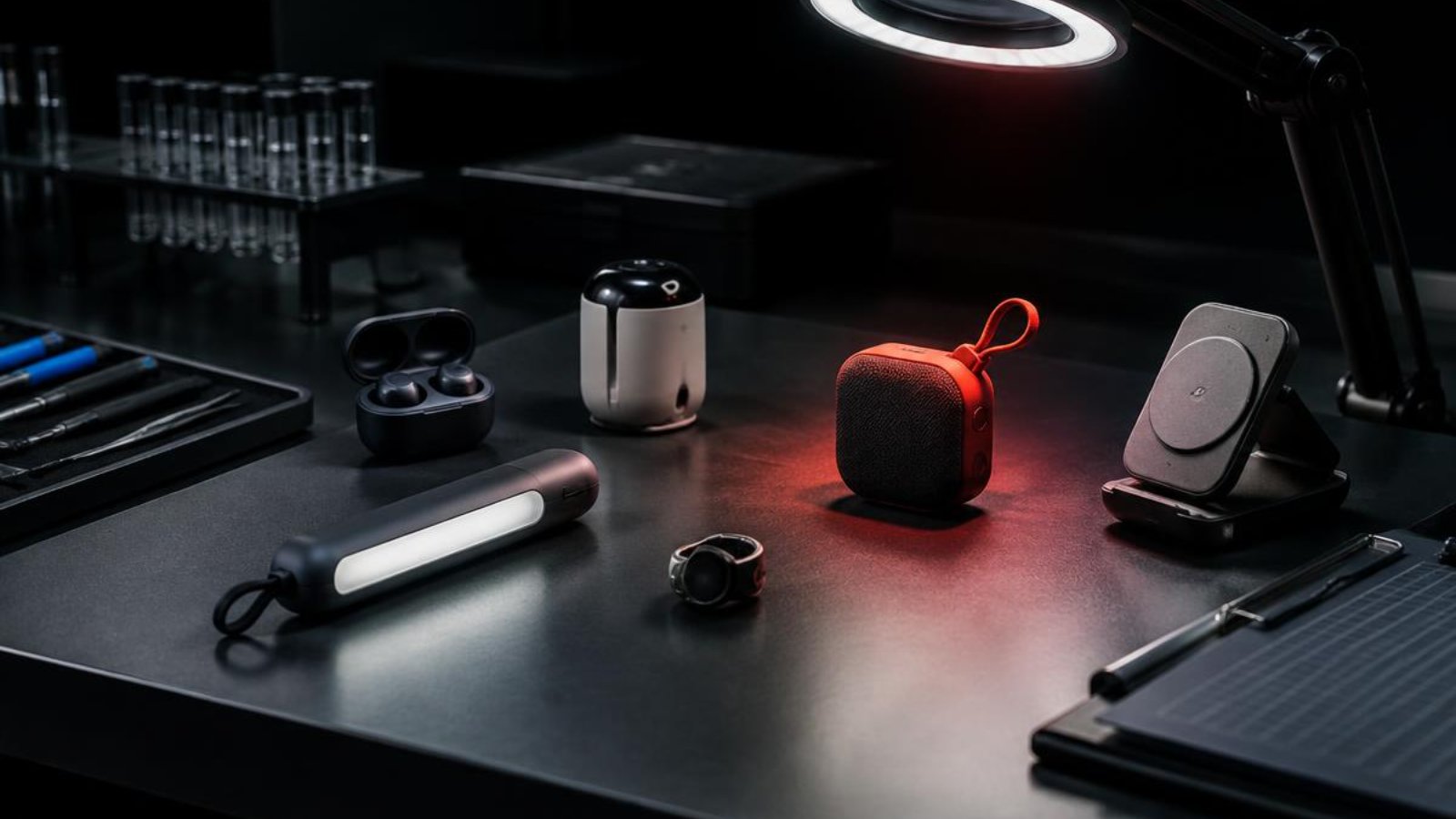
There's a specific feeling that TikTok has perfected: watching a fifteen-second clip of a gadget doing something oddly satisfying and thinking I need that before the video even ends. Sometimes you're right. Often you've just funded another item destined for the kitchen drawer of forgotten purchases.
We're not here to kill the fun. Some viral tech is genuinely useful and would never have found you through a normal ad. The trick is telling the keepers from the landfill before you check out. HypeGale doesn't test products ourselves, so this verdict rests on published testing, consumer-rights rules and the patterns below.
What's Actually Real Here
Certain categories consistently hold up, even when they blow up online:
- Genuinely small utilities. Cable organizers, tiny rechargeable lights, magnetic mounts, mini vacuums. Low expectations, low price, and they usually do the one thing they promise.
- Problem-first buys. If you were already looking for a solution and TikTok just showed you one, that's a good sign. The video found a real need instead of manufacturing one.
- Simple, non-electrical gear. Where nothing plugs into a wall or holds a lithium battery, the downside of a dud is wasted money, not a safety problem.
Discovery itself is a real benefit. A short demo can show you a product category you didn't know existed, and that is a legitimate use of the platform.
Where the Hype Outruns the Reality
The clip is not the product. A gadget goes viral because it films well, not because it works well. A dramatic before-and-after, a satisfying click, a surprising party trick: those are video qualities, not product qualities. Many listings are also generic units sold under interchangeable brand names, which is why the same gadget can show up at very different prices with very different reviews.
"Mature tech in a cheaper shell" is not automatically safe. It's tempting to assume chargers and power banks are a solved problem, so a no-name version must be fine. The evidence says otherwise. A Which? investigation published in June 2026 tested 15 USB phone chargers bought from seven online marketplaces (Amazon including Amazon Haul, AliExpress, B&Q Marketplace, Debenhams Marketplace, eBay, Shein and Temu). Nine of the 15 were electrically unsafe, all 15 were missing information required for sale in the UK, two were weighted with modelling clay, and one was a counterfeit Apple charger. TikTok Shop was not one of the marketplaces tested, so treat this as evidence about cheap electricals in general rather than about one app. An earlier Which? investigation of TikTok Shop, published in April 2024, found that three of five electric heaters it bought were unsafe, and that 11 of 14 cheap electrical items fell apart under a gentle stress test to reveal exposed wiring.
Other patterns that mean trouble:
- Anything promising a dramatic health, beauty, or cleaning "miracle." If the result looks too good in the clip, it may have been staged, lit, or edited.
- Single-use novelty. The gadget that does one funny thing you'll do exactly twice.
- Vague "smart" everything. A "smart" version of a simple object that now needs an app, an account, and a charge to do what the plain version did for free.
- Devices that need refills or pods. The cheap upfront price can hide an expensive forever-cost.
The reviews may be part of the sales machine. In the US, the FTC's rule on consumer reviews and testimonials, in effect since 21 October 2024, bans fake or AI-generated reviews that misrepresent real experience, reviews paid for on the condition that they are positive or negative, undisclosed insider reviews and the buying of fake social media indicators such as bot followers. It lets courts impose civil penalties for knowing violations. A rule on paper doesn't clean up a feed, though, and Which? has advised readers not to trust creators' product reviews, because influencers are usually paid or receive a commission.
Who You're Buying From, and What Happens If It Goes Wrong
On TikTok Shop, TikTok is the marketplace, not the seller. In its April 2024 guide, Which? noted that products are sold by third parties, that TikTok's terms say it is not a party to disputes between you and a seller, and that buyers had a 30-day window to request a return from delivery. Unlike Amazon and eBay, TikTok did not then offer a refund guarantee for items that arrive broken or never turn up. That guide is more than two years old, so check TikTok's current terms before you buy.
In the UK, GOV.UK says that for most items bought online you can cancel within 14 days of receiving them, and the seller must refund you within 14 days of getting the item back. A full refund is also due if an item is faulty, not as described, or doesn't do what it's supposed to. There are exceptions, such as personalized goods. Rights differ in the US and EU, so check your local rules rather than assume the same terms apply. Which? also suggests paying by credit card for purchases between £100 and £30,000 so that Section 75 of the Consumer Credit Act can apply (a UK rule).
A Better Test Before You Buy
Run any viral gadget through these questions:
- Would I want this if the video weren't satisfying to watch? Separate the product from the edit.
- Can I find it under a different name for less? If yes, you may be paying a marketing premium.
- What happens after the novelty wears off? Picture week three, not day one.
- Are the reviews about using it, or just receiving it? "Arrived fast, looks cute" is not a quality review.
- Does it plug into the wall or hold a battery? If so, be strict: buy from a seller you can identify, and look for a recognizable brand and proper safety markings.
- Do you know the return route? Screenshot the listing and the stated return window before paying.
If it survives all six, buy it and enjoy it. Most won't.
Shopping a lot of this through in-app checkout? Read our head-to-head first: TikTok Shop vs. Amazon. And for the bigger buys on everyone's feed, see what's creating the hype right now.
FAQ
Is viral TikTok tech usually poor quality?
Not always, but it's a mixed bag. Simple non-electrical utilities are often fine. "Miracle" gadgets and app-dependent novelties are where most regrets live, and cheap electricals carry real safety risk: Which?'s tests of marketplace chargers and heaters found serious failures.
Why is the same gadget cheaper under a different name?
Many viral products are generic units sold by multiple sellers under different brand names, so a quick search under a generic description often turns up an identical or near-identical item for less.
Can I return something I bought through TikTok?
It depends on where you live and who the seller is. In the UK, online purchases generally carry a 14-day cancellation right plus refund rights for faulty goods, per GOV.UK. Rules and platform policies differ elsewhere and change over time, so check them before you pay.
How do I avoid impulse-buy regret?
Ask whether you'd want the item if the video weren't satisfying to watch, and picture using it in week three. If the appeal is the clip rather than the function, skip it.
Hype-o-meter: Overhyped
Viral TikTok tech is a fun way to find small useful things, and the keepers are real. But the feed oversells the category: demos are not proof of quality, and the cheap electricals that go viral most often are where independent testing finds the worst failures. Buy the boring non-electrical utilities, treat anything that plugs in with suspicion, and skip the miracles.
Sources
- What is TikTok Shop and is it safe to buy from? (Which?, April 2024): seller role, 30-day return window, no refund guarantee, heater and electricals tests, Section 75 advice
- Phone chargers sold on Amazon Haul, B&Q and eBay can electrocute and explode, Which? warns (Which?, June 2026): 15 chargers tested across seven marketplaces
- Accepting returns and giving refunds: the law (GOV.UK): 14-day online cancellation and faulty-goods rights
- Federal Trade Commission Announces Final Rule Banning Fake Reviews and Testimonials (FTC, August 2024)
- The Consumer Reviews and Testimonials Rule: Questions and Answers (FTC): effective date and scope
Keep reading
Related articles
Vibe Coding and Web Hosting: Do You Still Need a Host in 2026?
AI app builders publish your site for you, so web hosting can look optional. It isn't, quite. Here is what built-in hosting covers and where it stops.
6 min read
Office 2021 Support Has Ended: Do You Really Need to Upgrade?
Office 2021 lost security updates on October 13, 2026. Here's what's actually at risk, and the free and paid ways to replace it without overspending.
5 min read
5G in Germany in 2026: Hype vs What Your Phone Actually Gets
Germany's 5G coverage is real and Telekom leads, but cheap plans often cap speed at 25 or 50 Mbit/s. Here is what to check before you choose.
6 min read
New iPhone: Carrier Deal vs Unlocked Plus a Cheap Plan, Which Saves More?
Carrier 'free iPhone' trade-in deals look tempting every September. We run the real math against buying unlocked and pairing it with a budget plan.
7 min read