Dupe Culture in 2026: Smart Shopping or False Economy?
58% of US shoppers bought a dupe this year. Some dupes are brilliant value. The idea that they're 'just as good' as the original is where the hype runs ahead.
Published · Updated
HypeGale may earn a commission from links on this page or show paid ads. It never changes our verdicts. How we work
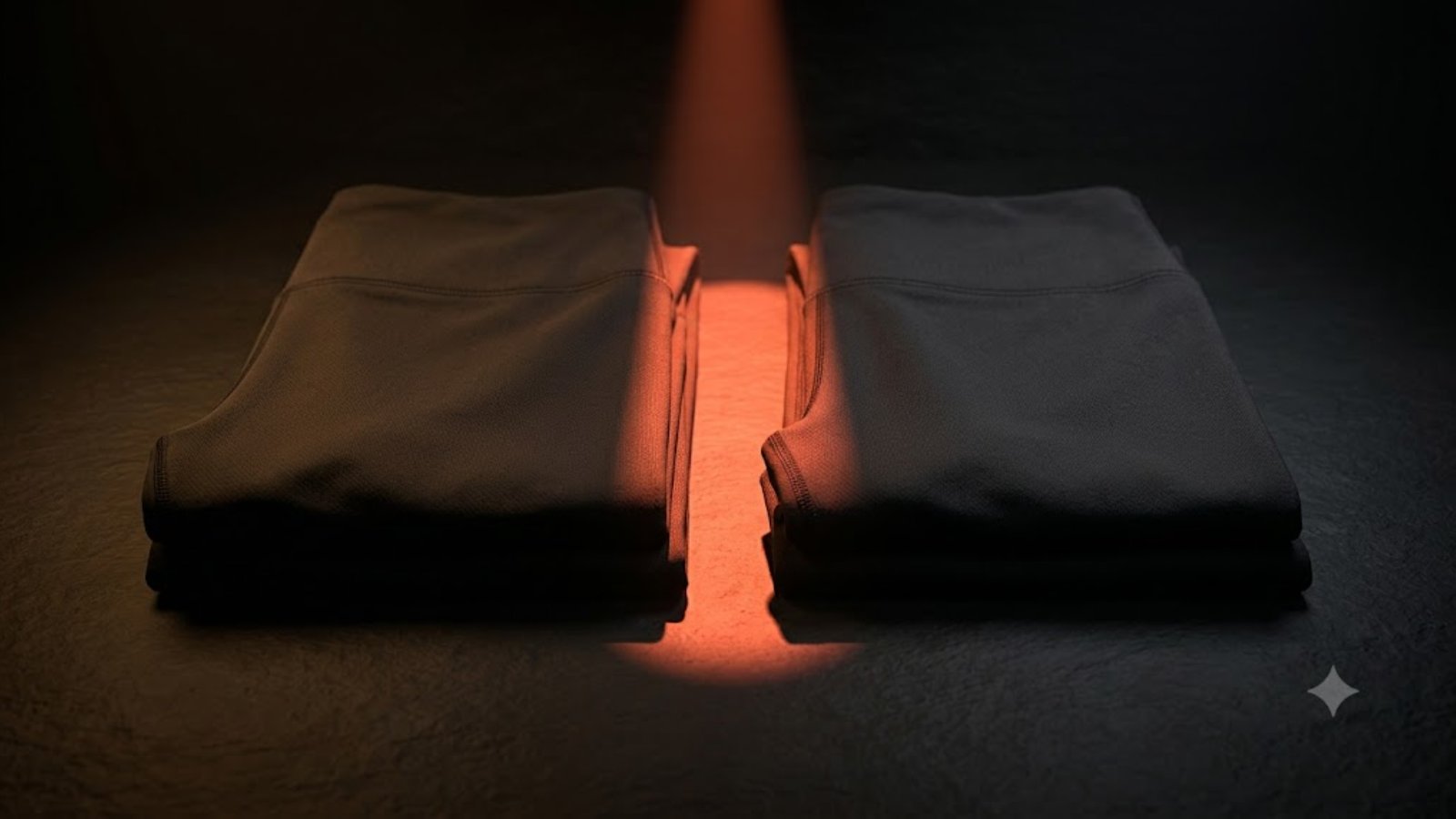
Short answer: Dupes are now a normal, even proud, way to shop, and in simple categories they can be good value. But "it's exactly the same" is usually a marketing line, not a fact. Quality varies, "made in the same factory" claims are often unverifiable, and cheap-but-short-lived is not always cheap. Dupe culture as a mindset is overhyped; smart, selective dupe buying is not.
A few years ago, buying a knock-off was something you kept quiet. Now "found the dupe" is a whole genre of content. The question is no longer whether people buy dupes. It's whether they're actually getting a good deal.
What's Actually Real Here
Dupes are mainstream. According to Circana's August 2026 research:
- 58% of US shoppers bought a dupe in 2026.
- Among dupe buyers, 54% bought clothing and 39% footwear, and 51% of beauty buyers purchased a dupe.
- 70% of consumers said they would intentionally buy a beauty dupe even if they could afford the original, and only 14% believe a higher price consistently means better quality.
- It's not only young shoppers on tight budgets. Roughly half of households earning $100,000 or more bought dupes, a 14% increase over two years, and shoppers aged 55 and over contributed to the largest increase between 2024 and 2026, while 18 to 34-year-olds remain the most favorable. Retail TouchPoints, citing eMarketer data, reports that 71% of Gen Z and 67% of millennials sometimes or always buy cheaper versions of name-brand products.
Luca Cian, a consumer psychologist at the University of Virginia's Darden School, describes the shift as one of identity: finding a dupe now signals "I am too smart to overpay" rather than "I can't afford the real thing."
The price gaps can be huge. The classic example is Lululemon's Align leggings at up to $98 against lookalikes around $20, as noted by Retail TouchPoints. For basics you'll wear hard and replace anyway, that difference can be rational.
Some dupes are simply decent products. Circana's research says price is no longer the only driver and that perceived quality, convenience and social media discovery now shape dupe demand.
Where the Hype Outruns the Reality
"Same factory" is a sales pitch. Cian says to treat the claim with "healthy skepticism" because it has become a sales pitch of its own, noting that some viral claims were verifiable while many were unverifiable or pure marketing. Even when one factory makes both items, materials, specifications and quality checks can differ.
Quality fatigue is a real limit. Cian points to Morning Consult survey data showing intentional dupe purchases fell from 31% in 2023 to 27% in 2025 as shoppers met disappointments, with millennials cooling off fastest. Circana's 58% counts anyone who bought a dupe at all this year, so broad reach does not guarantee repeat enthusiasm. Cian also argues that luxury will persist where heritage, craftsmanship and story matter, because those can't be copied.
Cheap can cost more per use. As an illustration, not data: a $20 pair of leggings that you replace after a few months can cost more per wear than a $98 pair that lasts years. The same logic applies to skincare with unclear ingredients or small appliances without a warranty.
The legal line is blurry. "Dupe" isn't a legal term. A dupe mimics the look or style of a popular item without copying its logo or branding, while a counterfeit replicates the trademark to pass as the real thing. Fashion Law Journal notes that US law does not protect most clothing and accessory designs under copyright, so brands rely on narrower tools: design patents, which last 15 years, or trade dress claims, which require showing the design is nonfunctional and distinctive and that consumers associate it with the brand. Two cases show how this plays out:
- Lululemon v. Costco. Lululemon sued Costco in July 2025, alleging Kirkland Signature products copied its designs. According to Bloomberg Law, claims were settled in stages in February, April and May 2026, with only a men's zip-up jacket still in dispute as of 8 May 2026.
- Deckers (UGG) v. Quince. On 18 June 2026, FashionUnited reported that a California federal jury found the design patent on UGG's Classic Ultra Mini boot invalid, citing functional, indefinite and obvious design characteristics. Deckers lost even though the jury acknowledged potential infringement of the patent.
The takeaway is that lookalikes of plain, functional designs will keep being sold, while products that copy a logo are counterfeits, which are illegal and can be unsafe.
Sometimes the "dupe" is a trap. In an August 2026 consumer alert, the FTC warned that social media platforms don't always thoroughly vet ads or advertisers, and that scammers impersonate brands and sell counterfeits. It said people reported losing more than $95 million in 2025 to scams that began when they ordered something after seeing a social media ad, with real losses likely higher. Its advice applies directly to dupe hunting: search the company name plus "scam" or "complaint" before you buy, and report suspicious ads at ReportFraud.ftc.gov.
Platforms speed up the flood. Marketplaces can turn a viral product into many lookalikes quickly. We explain the economics in our piece on how Temu and Shein prices work and the shifting costs in the EU's new parcel duty.
A Simple Dupe Test Before You Buy
- Is it a basic or a signature? Plain tees, simple leggings and storage boxes are good dupe territory. Items where fit, fabric technology or formulation is the point are riskier.
- Can you check the specs? Fabric composition, ingredient lists and warranties let you compare like for like. "Looks the same" doesn't.
- Work out cost per use. Divide the price by the number of times you'll realistically use it.
- Check reviews after a few months. First-week reviews miss pilling, peeling and breakage.
- Avoid anything with the original's logo. That's a counterfeit.
- Check who is selling. A named brand with a returns policy and contact details is a different proposition from an ad that appears from nowhere.
- Is the discount believable? A $20 alternative to a $98 item is plausible. A "designer original" at a steep discount is the pattern the FTC describes for fake goods.
For more on where social commerce is heading, see our take on TikTok Shop vs Amazon.
FAQ
What is a dupe?
A dupe is a cheaper product that closely resembles a more expensive, well-known item in look or function, without copying its brand name or logo.
Are dupes legal?
Generally, yes, if they don't copy protected trademarks, logos or protected designs, or confuse buyers about who made them. Copying a logo makes it a counterfeit, which is illegal. This is general information, not legal advice.
Are dupes as good as the original?
Sometimes, for simple products. Often not for items where materials, formulation or construction are what you're paying for. Compare specs and long-term reviews rather than looks.
Why are dupes so popular in 2026?
Circana points to quality perception, convenience and social media discovery alongside price, and Cian describes a cultural shift that makes finding a dupe a point of pride rather than embarrassment.
Hype-o-meter: Overhyped
Buying dupes selectively for basics is smart shopping. But the culture around them oversells the idea that dupes are "the same thing for less." Quality is uneven, factory claims are hard to verify, enthusiasm for intentional dupe buying has cooled in survey data, and a cheaper item that wears out fast is a false economy.
Sources
- Circana: Life imitates brands, how dupe demand is evolving - 21 Aug 2026
- UVA Darden: Q&A, when did dupe culture take over? - 1 Aug 2026
- Retail TouchPoints: Dupe culture goes mainstream
- OPB: Lululemon sues Costco, alleging it sells fashion dupes - 1 Jul 2025
- Bloomberg Law: Lululemon, Costco settle dupes lawsuit except for one jacket - May 2026
- FashionUnited: Deckers loses infringement lawsuit against Quince over UGG dupes - 18 Jun 2026
- Fashion Law Journal: Dupes vs. counterfeits
- Are ads on social media vetted or checked? Scams: here's what to know - FTC Consumer Alert, 10 Aug 2026
Keep reading
Related articles
Are Designer Bags Still a Good Investment in 2026?
Resale data shows a handful of icon bags holding or gaining value, while most designer bags do not. Here is what the evidence supports and what it leaves out.
5 min read
Link-in-Bio vs Your Own Website: What Creators Actually Need in 2026
A link-in-bio page takes two minutes. A website takes longer. Which does a creator actually need? The honest answer is usually a third option.
6 min read
Black Friday in Spain 2026: Real Discounts or Hype?
Spanish consumer group OCU found only 9% of prices on Black Friday 2025 were genuine bargains, and 37% of products cost more than their autumn minimum. Here is how to tell real deals from theatre.
6 min read
Will Livestream Shopping Ever Take Off in Europe Like It Has in Asia?
Livestream shopping is huge in China and gaining ground in the US. Europe is slower, but a 2026 estimate of TikTok Shop sales suggests that may be changing.
6 min read