Fake Hotel Booking Sites: Should You Always Book Direct?
Lookalike hotel sites are under fire from regulators. Here is what is real, what the industry survey overstates, and how to check a booking in a minute.
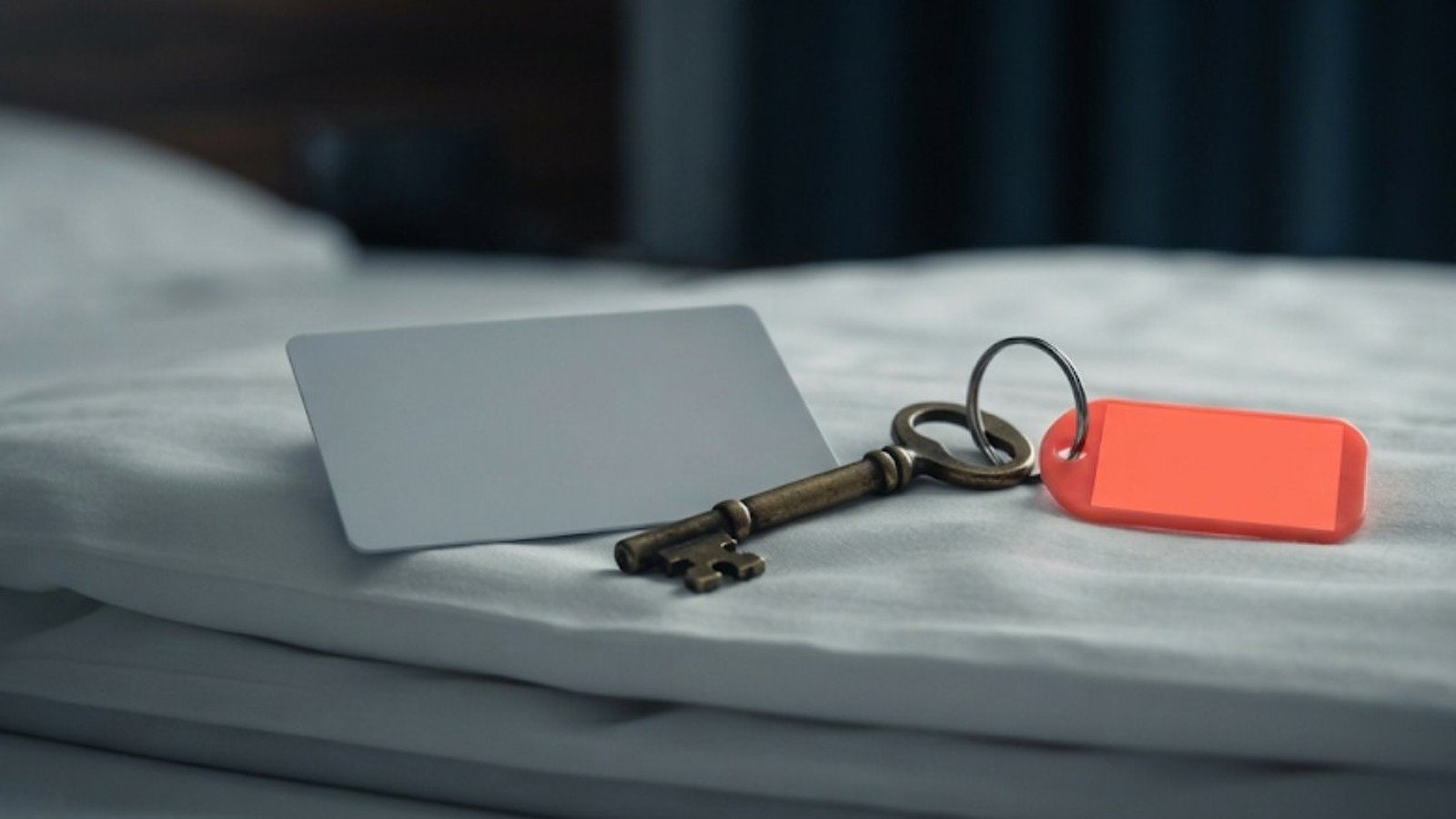
You search for a hotel, click the top result, see the hotel's name and photos, and pay. Days later you find out you never booked with the hotel at all. That is the scenario the American Hotel & Lodging Association (AHLA) is warning about ahead of holiday travel. On November 16, 2026, the industry group launched a "Look Before You Book" campaign with a free guide and checklist, and its core advice is simple: book direct.
Is that advice a genuine consumer protection tip, or a hotel industry talking point dressed up as one? The honest answer is that it is mostly the former, with a couple of caveats worth knowing.
What's Actually Real Here
The problem itself is well documented, and not only by hotels.
- A city lawsuit. In July 2026, the San Francisco City Attorney sued GuestReservations.com and BookOnline.com, and named Booking Holdings as the company supplying room inventory. The complaint alleges the sites used hotel-style web addresses (in the form "hotelname.bookonline.com"), bought search ads to sit at the top of results, and ran phone lines where agents did not say they worked for a third party. It alleges travelers paid up to 85% more than the hotel's own rate, often upfront and nonrefundable. These are allegations, not findings, and the case is ongoing.
- A state settlement. Days later, Washington's Attorney General announced a settlement of nearly $1.1 million with Lexyl Technologies and Bookonline.com over a "refund protection fee" added through a pre-checked box.
- Federal attention. Reuters reported in October that the Federal Trade Commission was preparing action against Booking Holdings over ads that appeared to lead to hotels' own sites but sent users to Guest Reservations. The FTC confirmed an investigation but declined further comment, and no complaint had been filed at the time of the report. Separately, in September the FTC opened a consultation on whether its rule against impersonating businesses should address how ad platforms enable these scams.
- Complaints. San Francisco says the Better Business Bureau has logged more than 1,800 complaints about the two sites it sued.
One detail matters for understanding the risk: in many of these cases the room is real. The alleged deception is about who you are paying, what it costs and what the cancellation terms are, not a reservation that does not exist.
Where the Hype Outruns the Reality
AHLA's new survey numbers deserve some caution. The group says 22% of people have booked through a site they thought was a hotel's official one, and that roughly half mistook example lookalike sites for the real thing. But the survey was commissioned by AHLA, and its published summary does not give the sample size or fieldwork dates. Treat those figures as a signal, not a precise measure.
There is also a commercial angle. Hotels typically pay online travel agencies a commission on each booking, often estimated at 15% to 25%, so the industry has its own reasons to push guests toward direct bookings. That does not make the scam warning false, but it explains why "book direct" is framed as the only safe option.
It isn't. Major, well-known travel agencies are legitimate businesses, and they sometimes offer bundles, loyalty perks or rates that beat a hotel's website. The real dividing line is not direct versus third party. It is knowing who you are booking with.
How to Check a Booking Site in 60 Seconds
- Ignore the ad slot. The first result on a hotel search is often a paid ad. Scroll to the organic listing or type the hotel chain's address yourself.
- Read the full web address. Look for extra words, odd subdomains or misspellings. A hotel's name at the start of the address does not mean the hotel owns the site.
- Check the small print. A legitimate third-party site will say who operates it. If you cannot find a company name, terms and a cancellation policy before paying, stop.
- Be wary of "pay now, no refunds." Full upfront, nonrefundable payment on a rate that looks unremarkable is a common pattern in the complaints.
- Confirm with the hotel. Call the hotel's number from its official website, not one shown on the booking page, and ask whether your reservation is in their system under your name.
Planning a trip? See whether AI trip planners beat doing it yourself, and what the Airbnb checkout chore ban means for rentals.
FAQ
Are Booking.com and Expedia scams? No. The issue is lookalike sites that present themselves as the hotel. Booking Holdings is named in San Francisco's lawsuit as a supplier of room inventory, but those claims have not been proven in court.
Is booking direct always cheaper? Not always. Direct rates are often competitive, and loyalty members may get extras, but compare before you assume.
I think I booked through a lookalike site. What now? Call the hotel directly to confirm the booking and its terms. If you were misled, contact the site and your card issuer to ask what options you have, and consider filing a report with the FTC or your local consumer protection office.
Will new laws fix this? Possibly, but not soon. AHLA plans to push state bills in 2027 requiring third-party sites to state clearly that they are not affiliated with the hotel. The FTC's work is at an early stage.
Things change quickly. This article reflects what was publicly known when it was written or last updated, so details such as prices, availability, rules and product specs may have changed since. Always check the official source before you buy or decide.
Sources
- AHLA Campaign Combats Deceptive Hotel Booking Sites – Lodging Magazine
- New Study: Consumers Frequently Mistake Deceptive Booking Sites for Official Hotel Websites – Hotel Online
- Hotel group warns of booking scams ahead of holiday travel rush – ABC News
- City Attorney lawsuit cracks down on hotel booking scam – City and County of San Francisco
- Authorities Close In on Deceptive Travel Platforms – Foster Garvey
- Priceline Owner To Face FTC Action Over Affiliate's Hotel Ads, Sources Say – Reuters via Hotel Online
- FTC Seeks Public Comment on Updating Its Impersonation Rule – Mayer Brown
- How to Reduce Your Hotel's OTA Commissions – Mews
Keep reading
Related articles
FAA Ground Stop: What Airlines Really Owe You for Canceled Flights
Flight canceled in the Nov. 13 FAA ground stop? You're owed a cash refund, but hotels, meals and compensation are another story. Here's the reality.
5 min read

Cheap Winter Sun 2026-27: Are Fares Really Lower This Year?
UK data says some sunny routes are cheaper. US data we found is mixed. Where the bargain claims hold, where they do not, and how to check your route.
6 min read
Are $895 Premium Travel Cards Still Worth It in 2027?
The Amex Platinum's hotel credit gets stricter on Jan. 1, 2027. Break-even math with stated assumptions, and who the $895 fee actually suits.
6 min read
Venice, Barcelona, Edinburgh Tourist Fees: What You Actually Pay
Venice's day-tripper fee is paused until 2027, Edinburgh's 5% levy is live and Barcelona's cruise tax is approved in principle. What each costs, and who pays.
6 min read