Comet Is Back: Is the Revived Electricals Site Safe to Buy From?
Comet has returned as an online marketplace with a million products. Here's who you're really buying from, and how to shop it safely this Black Friday.
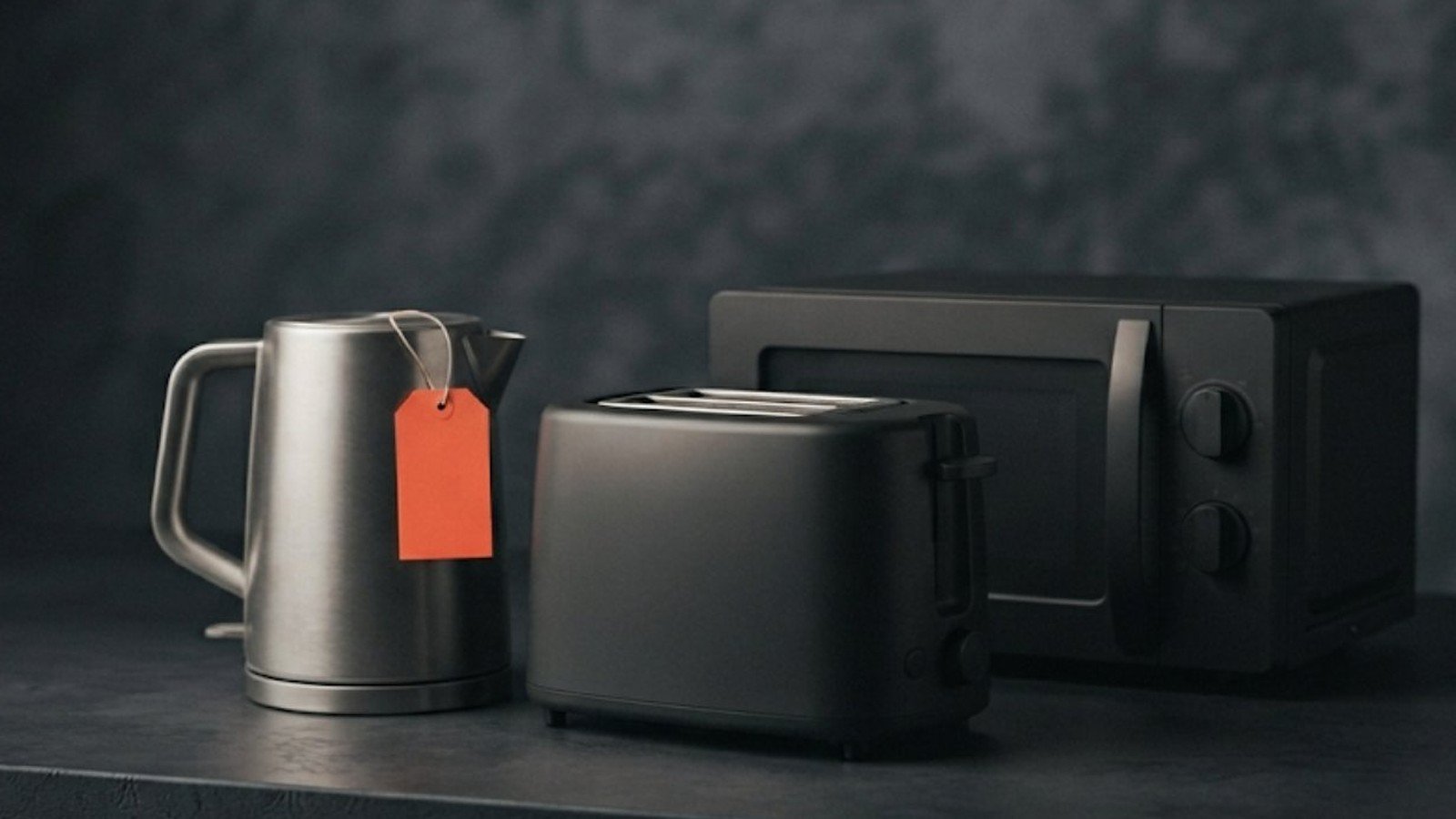
Comet, the electricals chain that vanished from British high streets in 2012, is back. On 9 November 2026 the name relaunched as an online marketplace with more than a million products, and plenty of shoppers who remember the black and orange stores are now asking the obvious questions. Is this the same Comet? Is it safe to buy from? And is it worth checking during Black Friday, or is this mostly nostalgia with a new website behind it? Here is what is actually known so far.
What's Actually Real Here
The relaunch is real and properly funded. Comet is now owned by OnBuy, the UK online marketplace founded in 2016 by Cas Paton, who is also Comet's chief executive. OnBuy bought the brand from Misco Technologies in May 2025, and trade press report that the relaunch is backed by a £10m investment.
At launch, Comet lists more than one million products from around 2,500 sellers, covering TVs, mobile phones, computing, gaming, cameras and kitchen and household appliances. It sells electricals only, with no furniture or clothing.
The most important detail is how it works. The new Comet holds no stock of its own. Every product comes from a third-party retailer or brand, and Paton has described every sale on the site as a sale for another retailer. That is the same model as OnBuy, and broadly similar to how Amazon Marketplace or eBay work for business sellers.
OnBuy's own terms say a sale made through its marketplace is a contract solely between the customer and the seller, with OnBuy acting as the seller's agent. According to ERT, Comet follows a similar escalation route: if something goes wrong, you contact the seller first, and unresolved problems can then be raised with Comet.
It is also worth knowing that this is not the company that collapsed. The original Comet, founded in Hull in 1933, went into administration on 2 November 2012, with roughly 6,500 jobs lost and more than 230 stores closed by the end of that year. The brand changed hands afterwards and briefly ran as an online-only retailer from 2020 before OnBuy bought it.
Where the Hype Outruns the Reality
A familiar name can make a website feel like a known quantity. Here, the name is familiar but the business is brand new, and the shop behind each product page is a seller you may never have heard of.
That matters for three reasons:
- Your contract is with the seller. If an item arrives damaged or develops a fault, the seller is responsible under UK consumer law, not the Comet brand. How quickly that gets sorted depends heavily on which of the 2,500 sellers you bought from.
- Protection details are thin so far. Coverage at launch describes an escalation route but says little about returns windows, delivery standards or what Comet will do if a seller does not respond. We could not confirm the full buyer protection terms for comet.co.uk while writing this.
- A huge catalogue is not the same as low prices. One million listings sounds impressive, but marketplaces often list the same product many times from different sellers. Whether Comet is cheaper than established retailers is something only real price comparisons over the coming weeks will show.
How to Buy Safely From the New Comet
If you see a deal you like, a few quick checks will protect you:
- Find the seller's name and address on the product page before you buy. UK rules require traders selling online to identify themselves to buyers.
- Check whether the seller is a business. If you buy from a business online, you usually get a 14-day cooling-off period to change your mind, starting the day after delivery. Buying from a private individual does not give you that right.
- Watch for overseas sellers. Citizens Advice notes that your rights may differ when a seller is based outside the UK, and you could face extra return or customs costs.
- Compare the price elsewhere. Check the same model number at a couple of established electricals retailers or a price-history tool before treating any Black Friday listing as a bargain.
- Read the returns policy on the listing. Return costs and collection arrangements can vary from seller to seller, so check them before you pay, especially for large appliances.
- Keep records. Screenshot the listing, seller details and order confirmation in case you need to escalate a problem.
Shopping this month? See how to check whether a Black November deal is real, and where Black Friday deals are genuinely good.
FAQ
Is the new Comet the same company that went bust in 2012? No. It uses the same name and colours, but it is a new business owned by OnBuy. The original company went into administration in 2012.
Does Comet sell its own products? No. Comet holds no stock. Every item is sold by a third-party retailer or brand through the site.
Who do I complain to if something goes wrong? Contact the seller first. If the problem is not resolved, coverage of the launch says you can escalate it to Comet.
Do I still have my normal consumer rights? If the seller is a business, standard UK rights apply, including the 14-day cooling-off period for most online purchases and the right to reject faulty goods within 30 days. Rights can differ for private or overseas sellers.
Will Comet open shops again? Not yet. Paton has said he is exploring click-and-collect partnerships and ways to put the name back on the high street, but nothing has been announced.
Things change quickly. This article reflects what was publicly known when it was written or last updated, so details such as prices, availability, rules and product specs may have changed since. Always check the official source before you buy or decide.
Sources
- Comet Relaunches as an Online Electricals Marketplace (365 Retail)
- Comet comes back into orbit as an electricals marketplace (ERT)
- Comet online marketplace relaunches with £10m backing (Business Matters)
- Comet (retailer) (Wikipedia)
- OnBuy website terms of use, UK and EU
- Does the distance sale cooling-off period apply to you? (Citizens Advice)
- Internet auction sites and marketplaces (Business Companion, Trading Standards)
Keep reading
Related articles

Cyber Monday vs Black Friday 2026: Which Day Is Actually Cheaper?
Adobe, Salesforce and the NRF disagree on which day is bigger, and card data and price trackers don't show one day is cheaper across the board.
10 min read

Black Friday 2026: How to Prepare, and Is It Worth Planning Around?
Black Friday 2026 is Nov. 27, but the sales started weeks earlier. A nine-step prep checklist from retailer policies, FTC and CFPB guidance and price data.
10 min read

Prime's Free Uber Eats Delivery: Is It Really Free?
Prime now waives Uber Eats delivery fees on orders of $25 or more. Service fees remain, and Amazon's $175 savings claim needs a closer look.
5 min read

Surveillance Pricing: Is Your Holiday Cart Price Just for You?
Shoppers saw different prices for identical groceries in one study. How widespread personal-data pricing is remains unproven. What is known, and how to check.
7 min read